
-
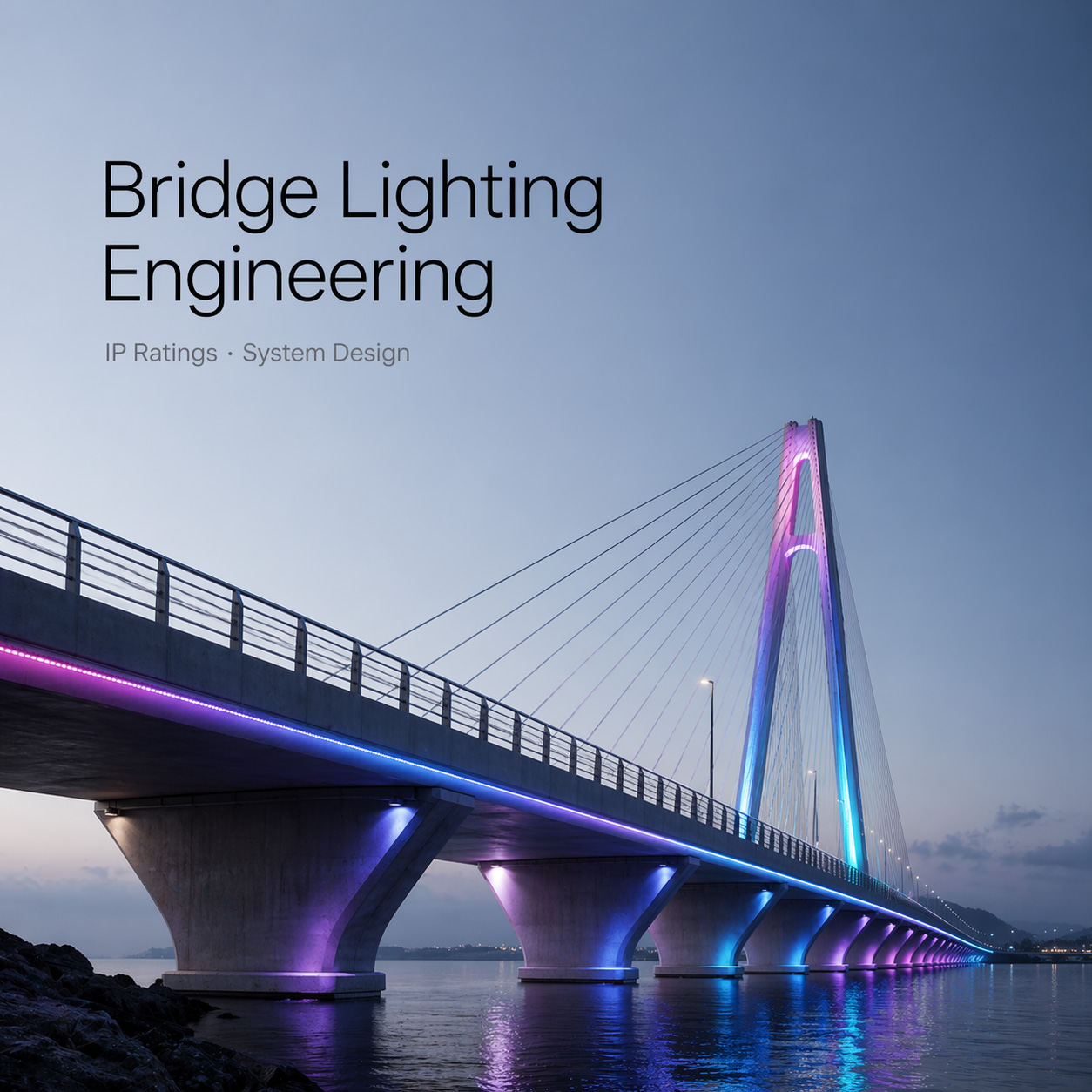
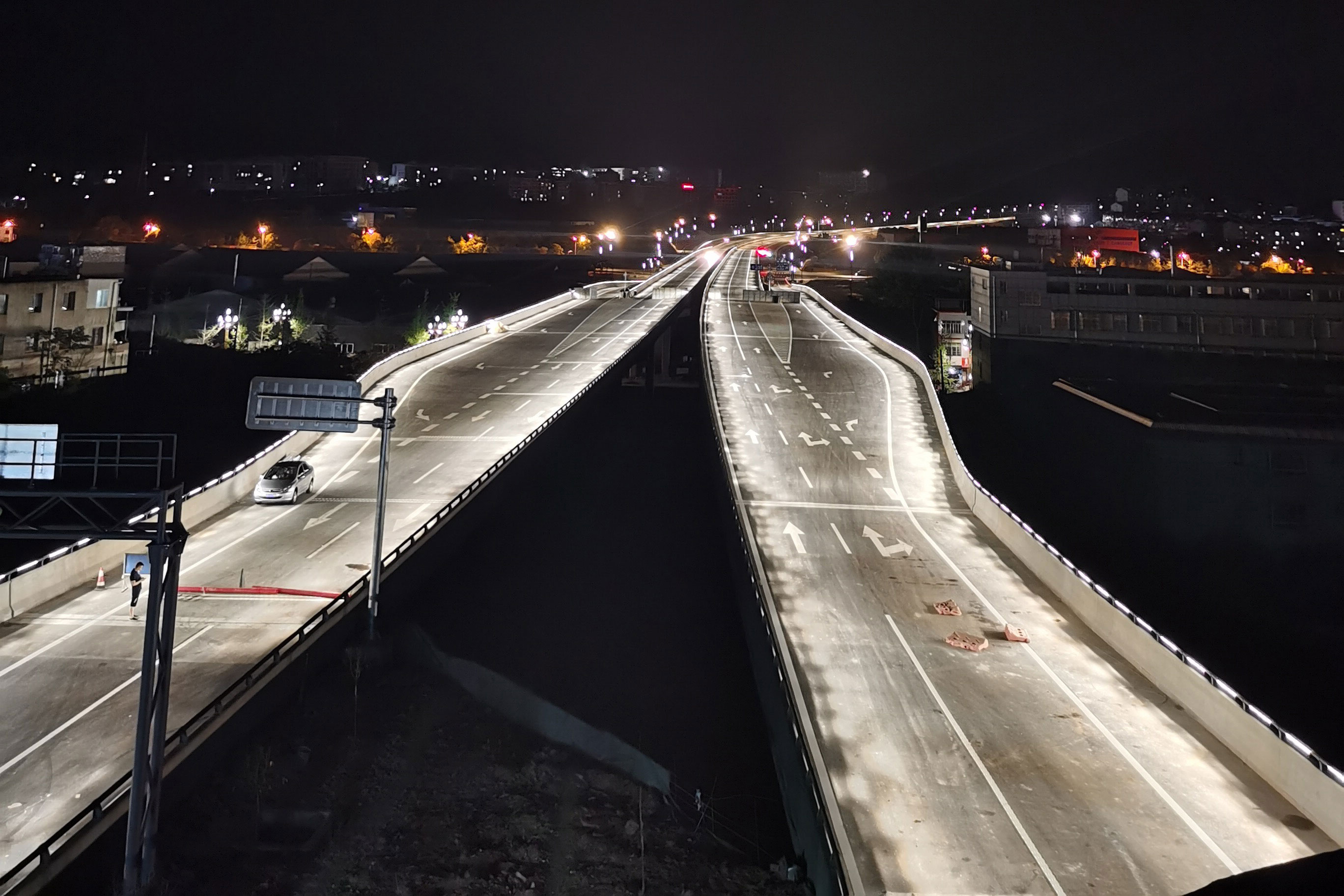
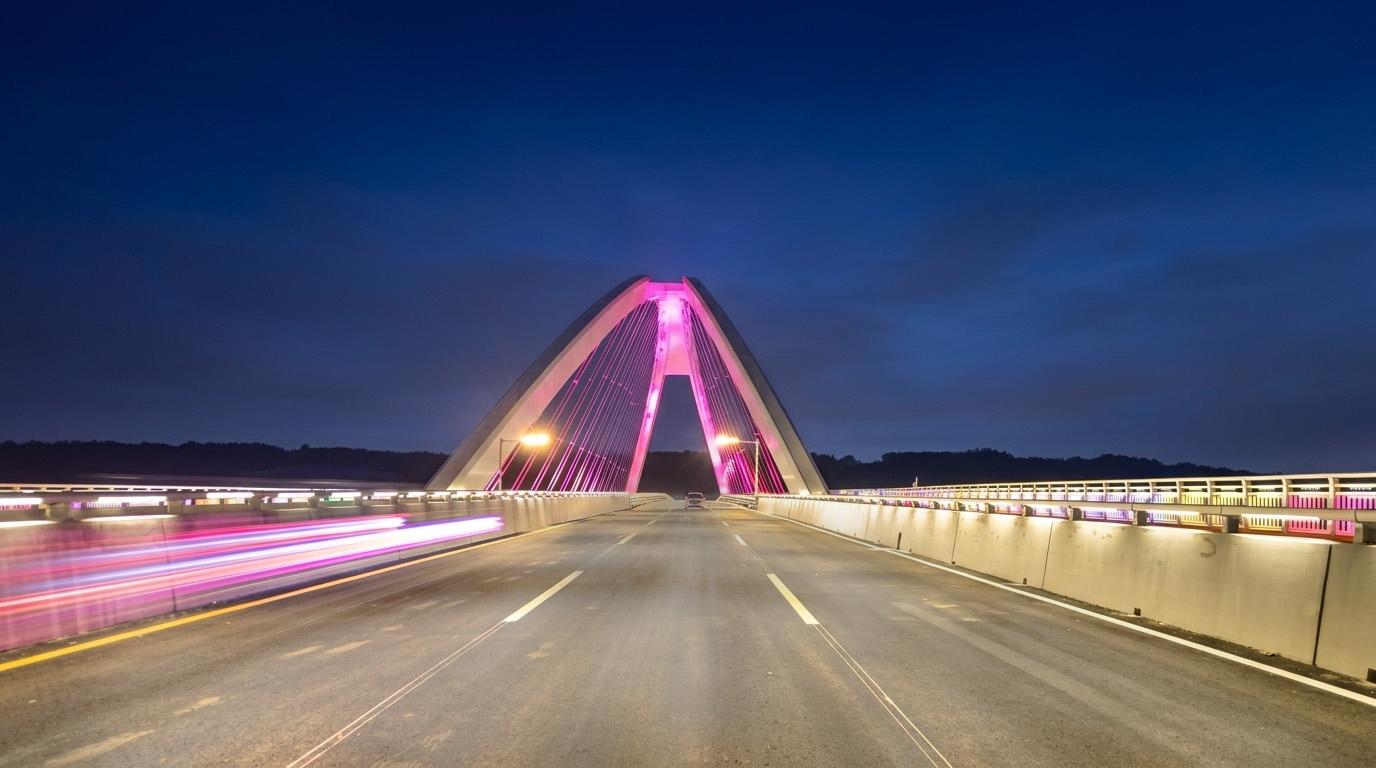
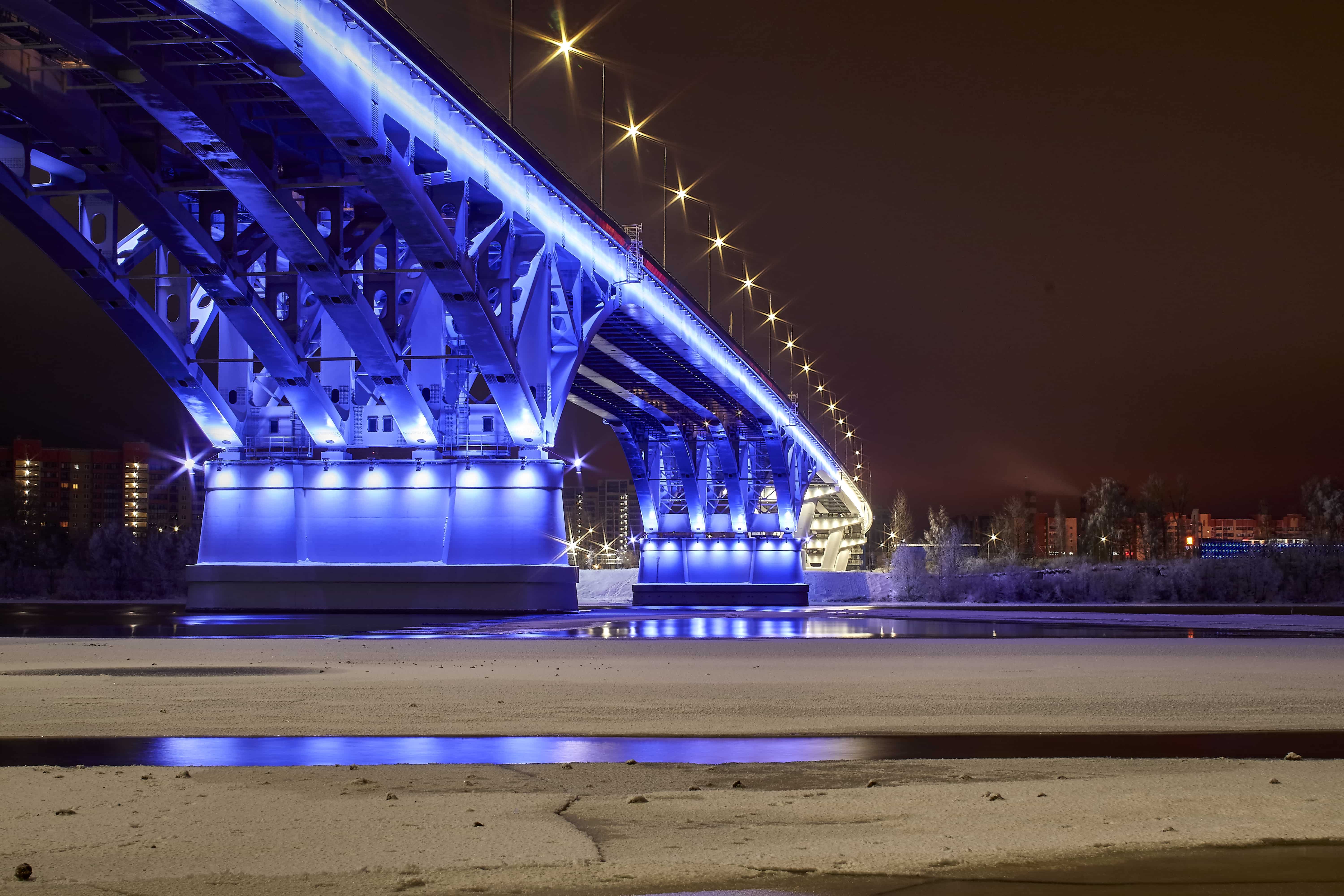
LED Bridge Lighting — Engineering Specifications, IP Ratings and System Design
Bridge lighting is one of the most demanding applications in outdoor architectural LED engineering. Fixtures face road spray, river moisture, thermal cycling between −40°C and +50°C, lightning exposure and restricted maintenance access. This guide covers the full specification sequence: IP rating, cold-climate requirements, control protocol, fixture selection, spacing calculation and surge protection.2026-04-23
-
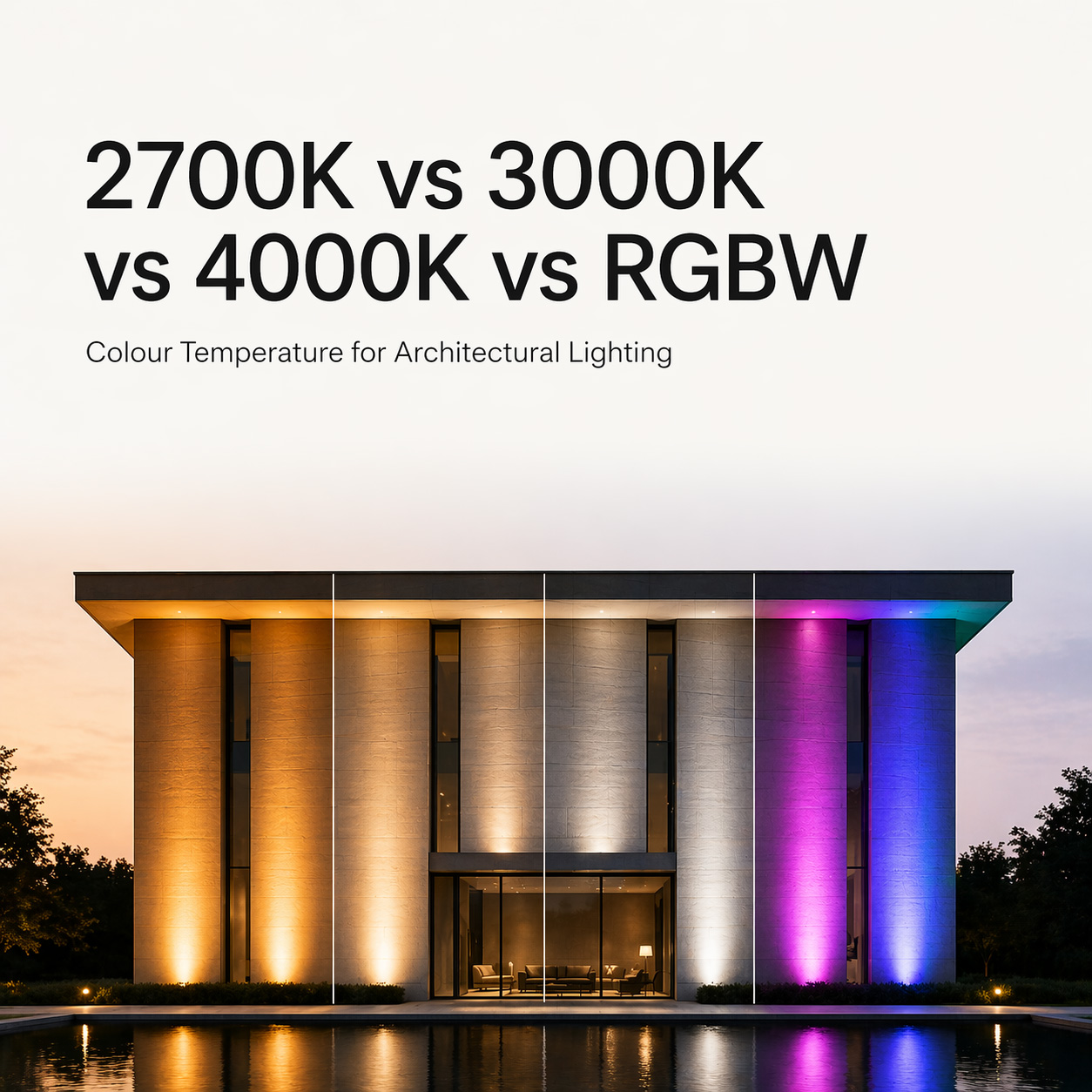
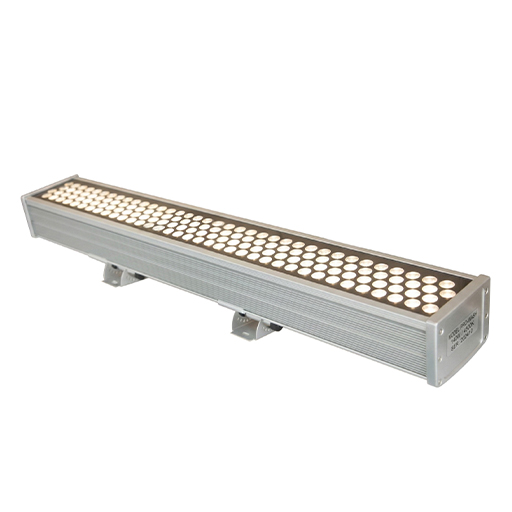
2700K vs 3000K vs 4000K vs RGBW — Colour Temperature for Architectural Lighting
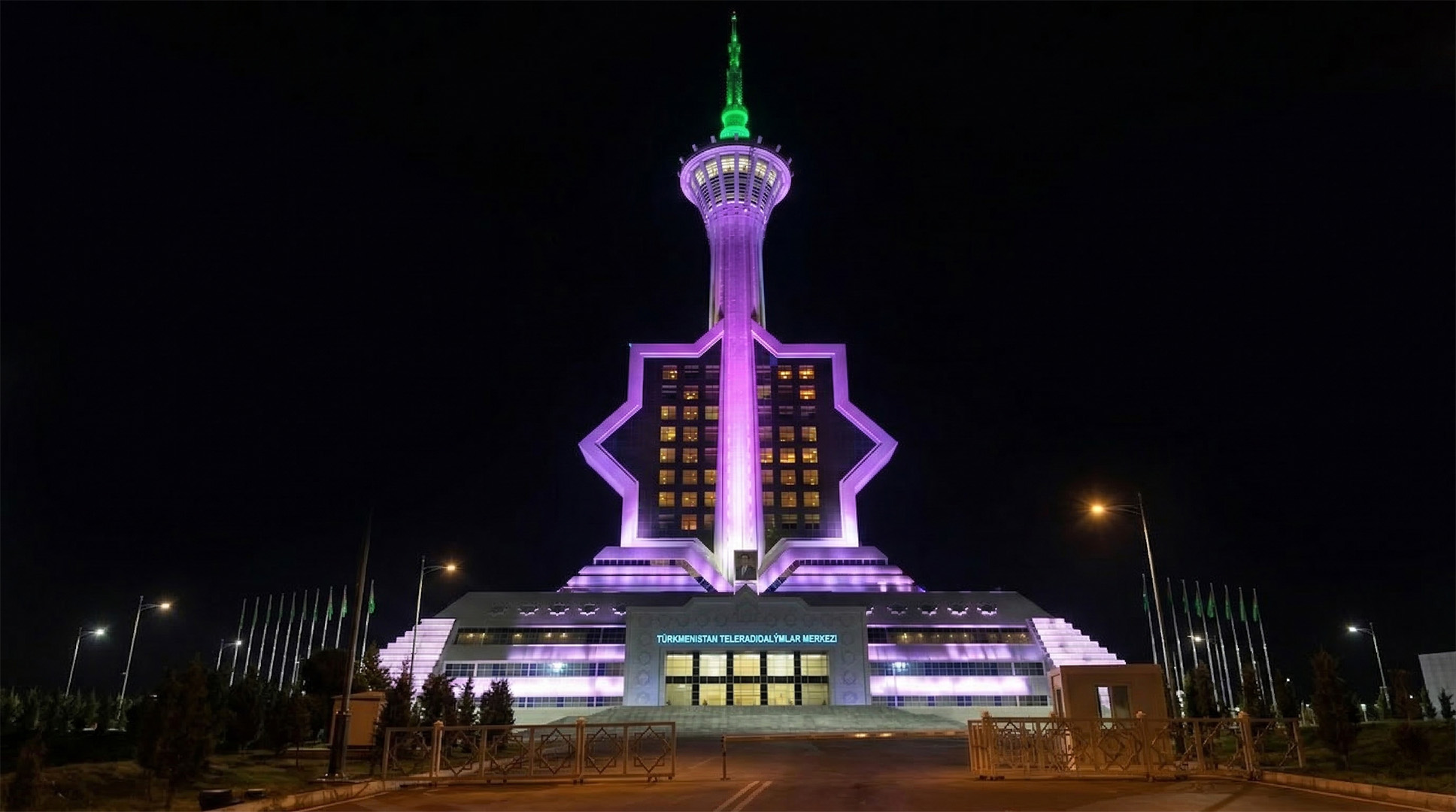
Colour temperature is one of the most consequential decisions in an architectural lighting project — and one of the most commonly made wrong. This guide explains what each CCT value means in practice, how facade materials and building type affect the right choice, and when RGBW replaces a fixed colour temperature entirely.2026-04-23
-
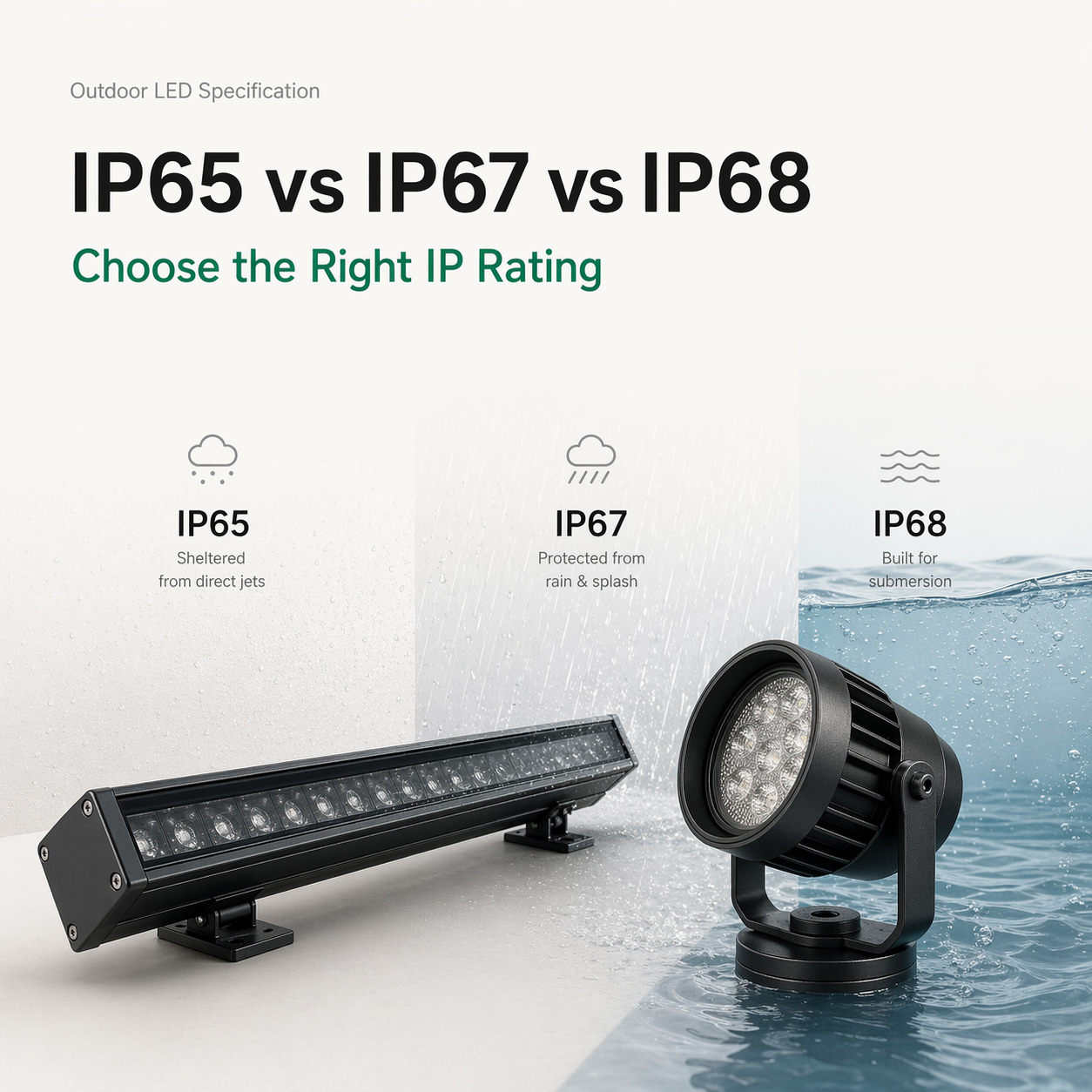
Technical Insight · Selection Guide"IP65 vs IP67 vs IP68"
The IP code determines whether your fixture survives five years of outdoor exposure or fails in the first rainy season. This guide explains what each rating means in engineering terms — and which one to specify.2026-04-20
-
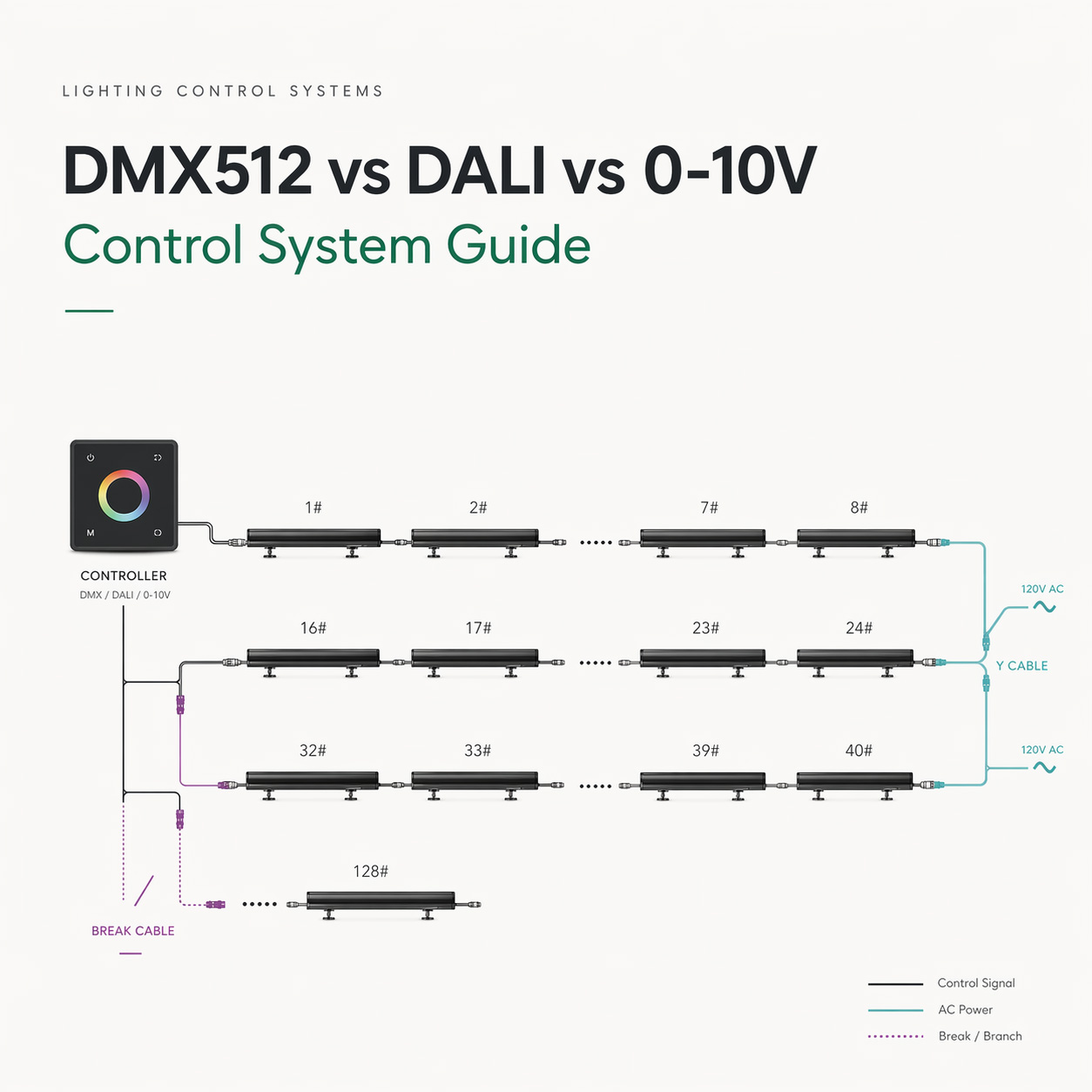
DMX512 vs DALI vs 0-10V — Choosing the Right Control Protocol
For outdoor architectural and facade lighting with RGBW dynamic colour: specify DMX512. For building interior systems with BMS integration and fixture-level feedback: DALI. For simple single-zone dimming without colour control: 0-10V is sufficient and lowest cost.2026-04-20
-
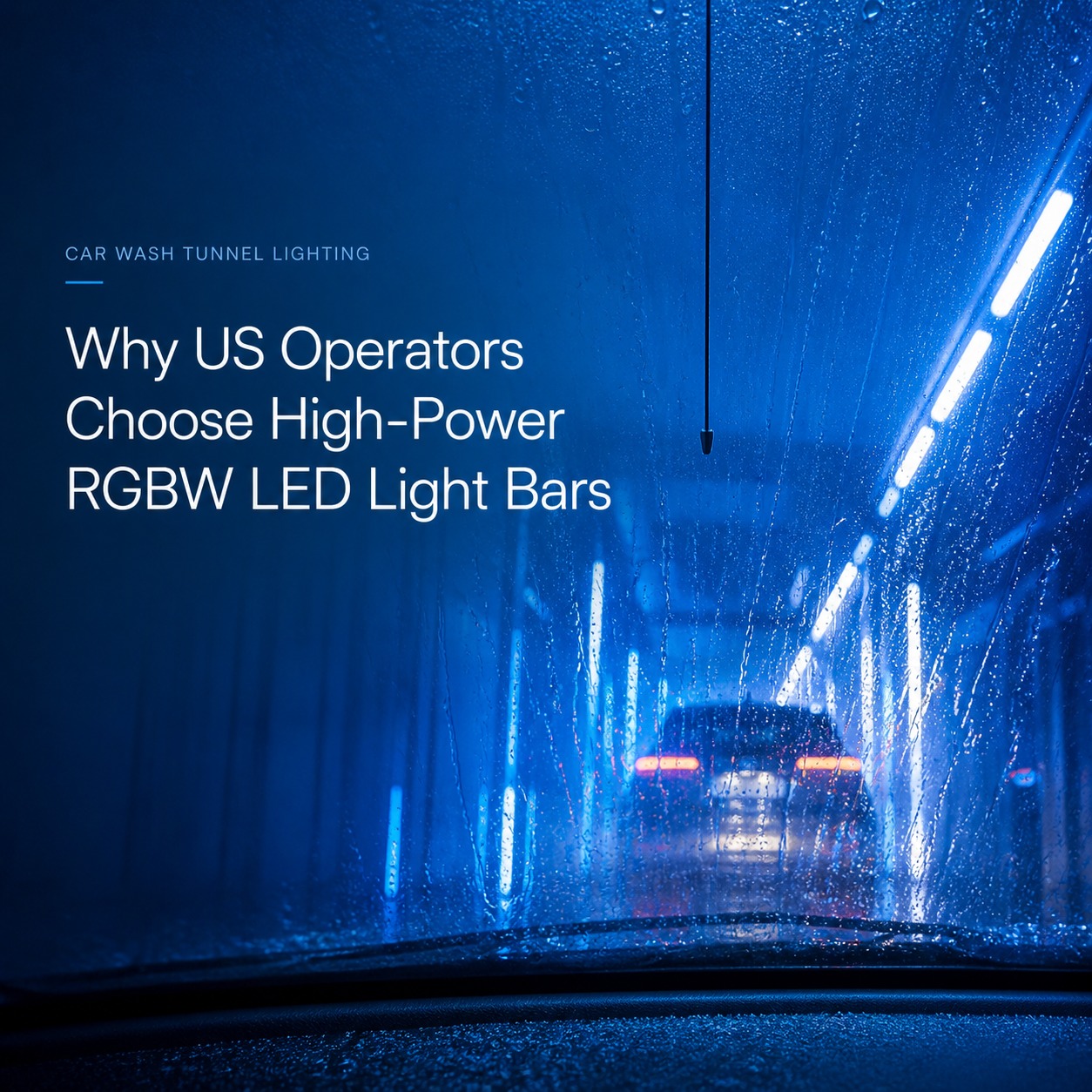
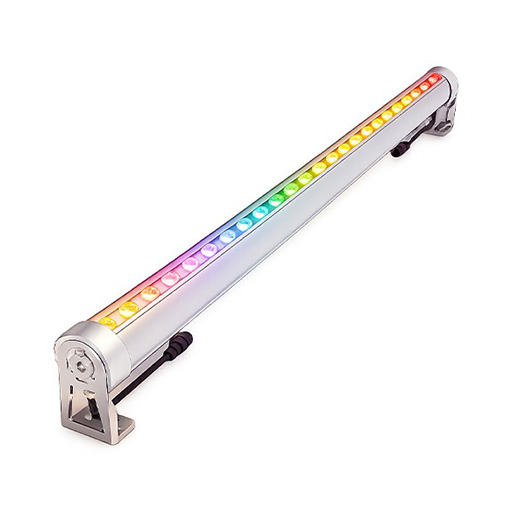
Car Wash Tunnel Lighting — Why US Operators Choose High-Power RGBW LED Light Bars
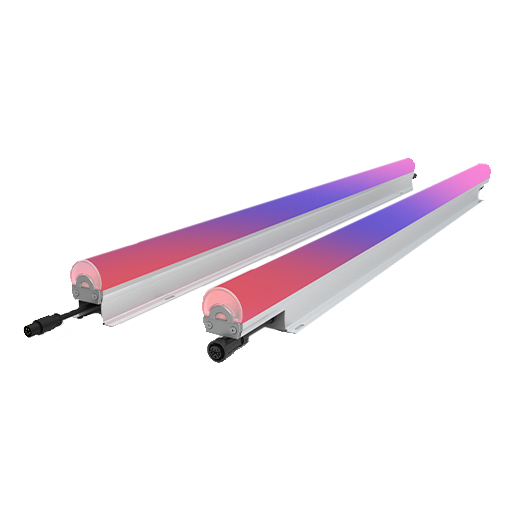
Walk into a premium express car wash in the United States and the lighting is doing something you won’t see on a standard commercial building facade. The tunnel pulses with colour. Magenta foam, electric blue rinse, amber wax. The light is not ambient — it is a performance. And the fixtures producing it are some of the most technically demanding LED products in the architectural lighting category.2026-05-03
-
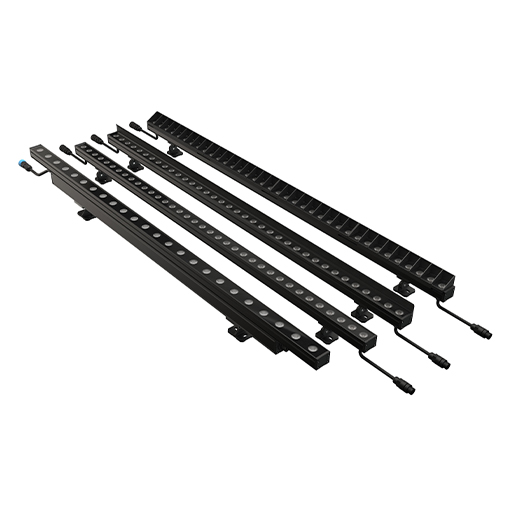
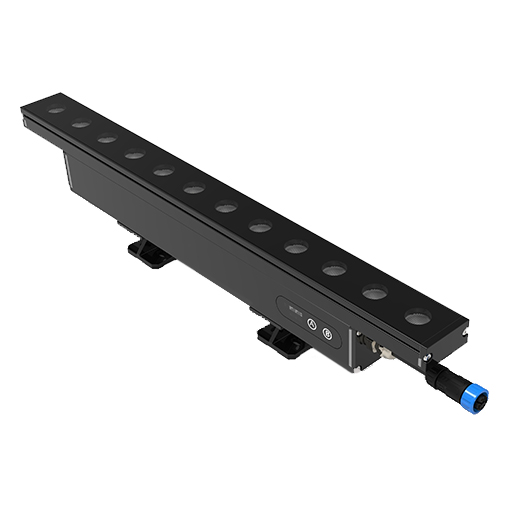
LED Wall Washer Spacing Calculation — Uniformity, Mounting Distance and the DIALux Method
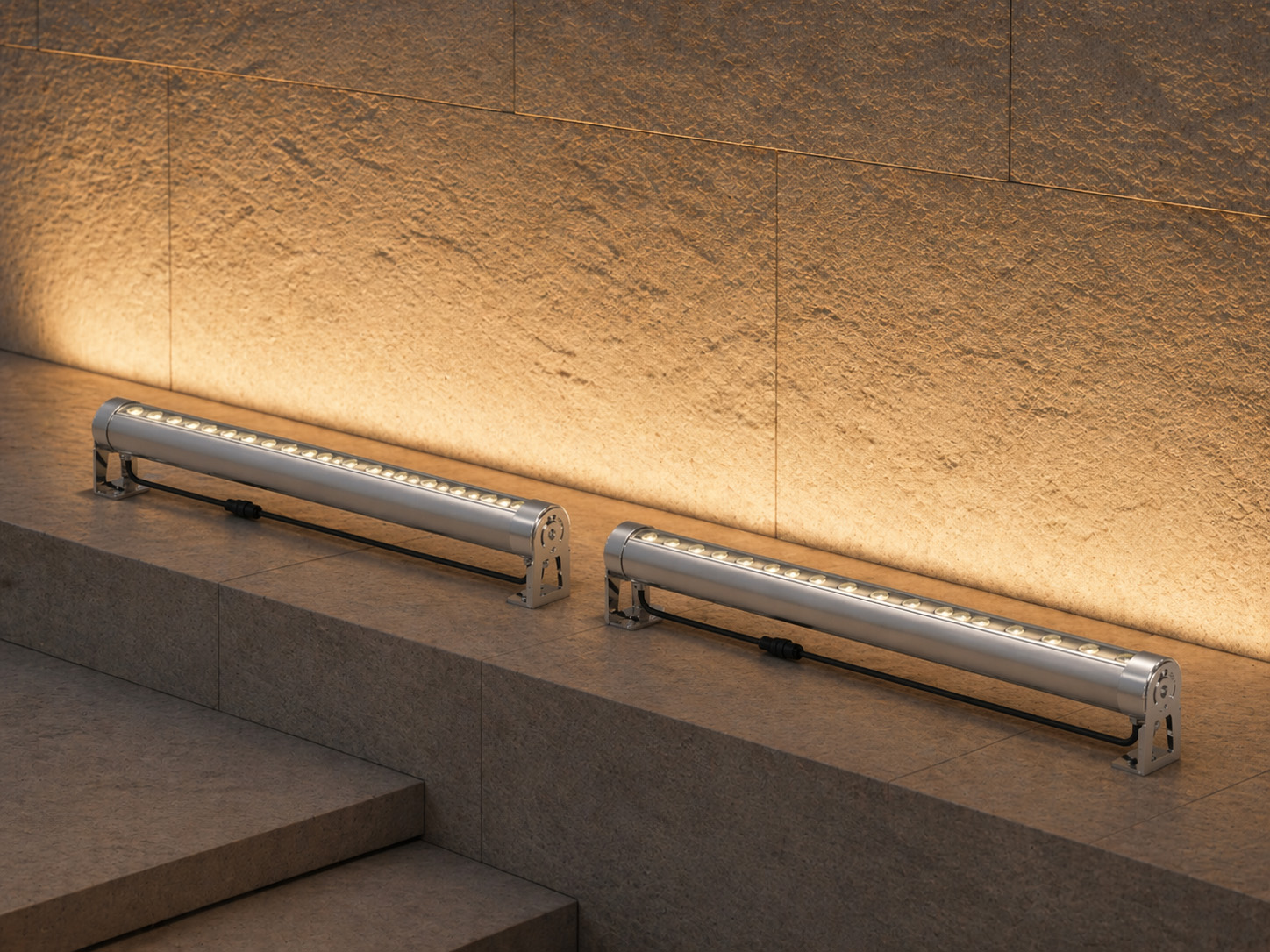
A practical engineering guide to LED wall washer spacing for building facade lighting. Covers beam spread calculation, inverse square law, uniformity ratio (Emin/Emax), and DIALux verification — based on real IES test data from TPK LWW-PZT-W38A (15°) and LWW-WZB-W55 (25°).2026-04-29
-
ETL, CE and IP67 — A Practical Guide to LED Lighting Certifications for International Projects
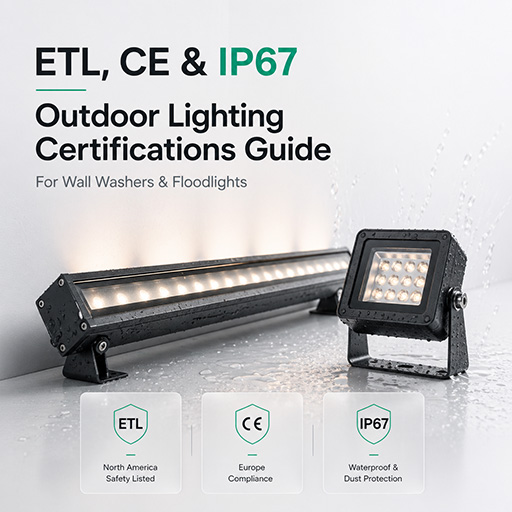
Specifying certified LED fixtures is not bureaucracy — it is the difference between a project that passes inspection and one that doesn't. This guide explains what ETL, CE, IP67 and related certifications actually mean, which markets require which certification, and how to use certificates in a project authority submission.2026-04-23
-
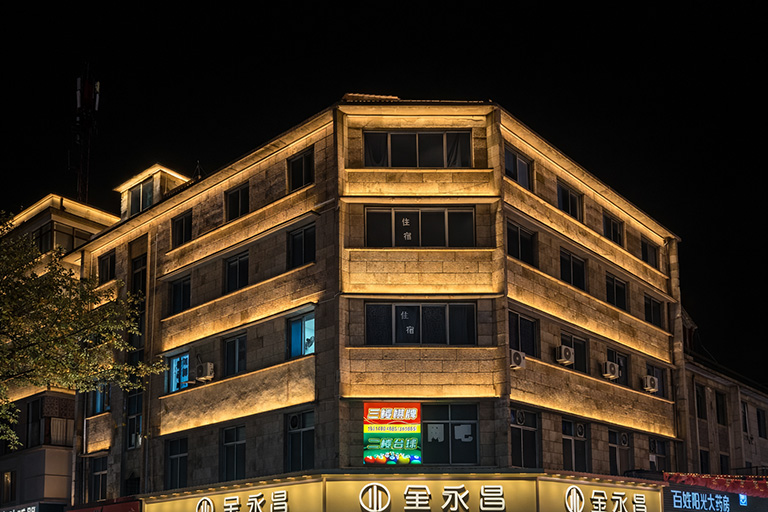
How to Choose an LED Wall Washer for Facade Lighting
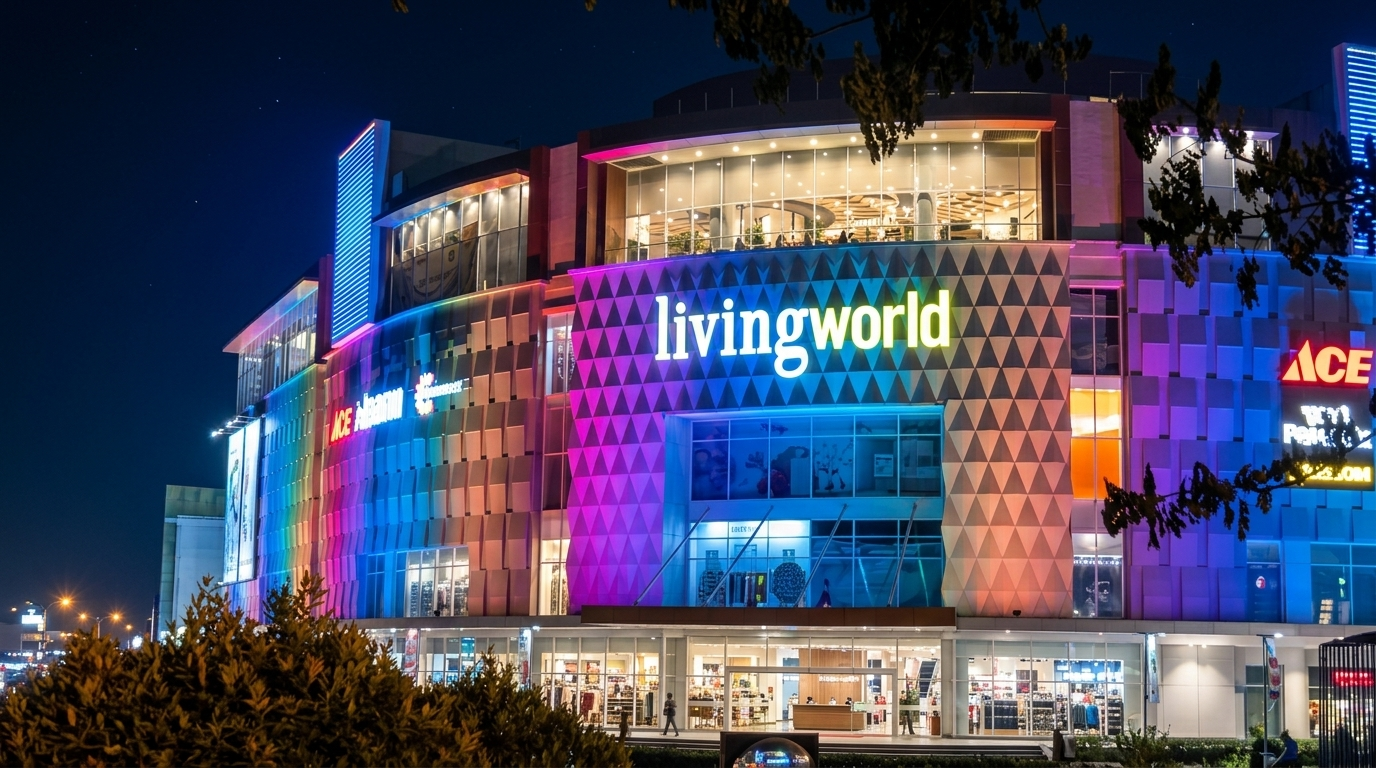
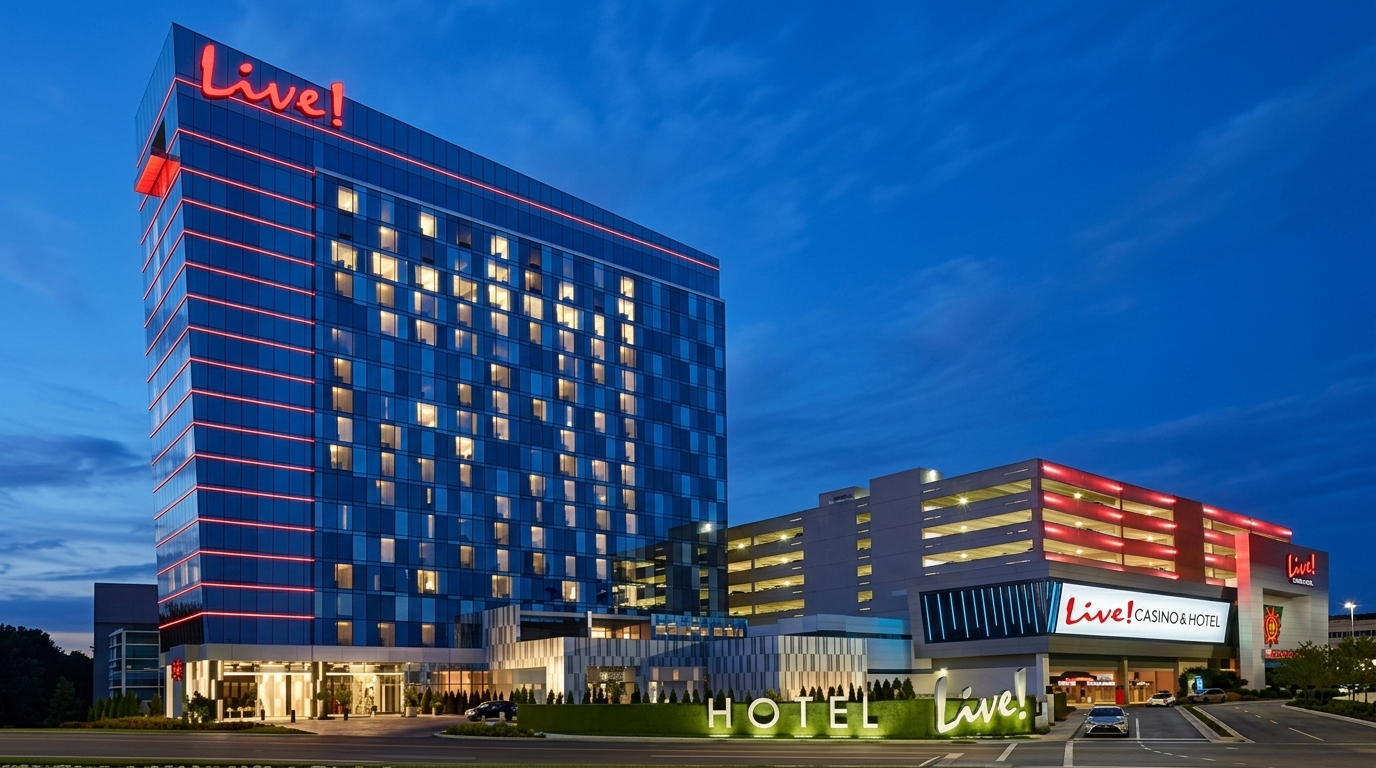
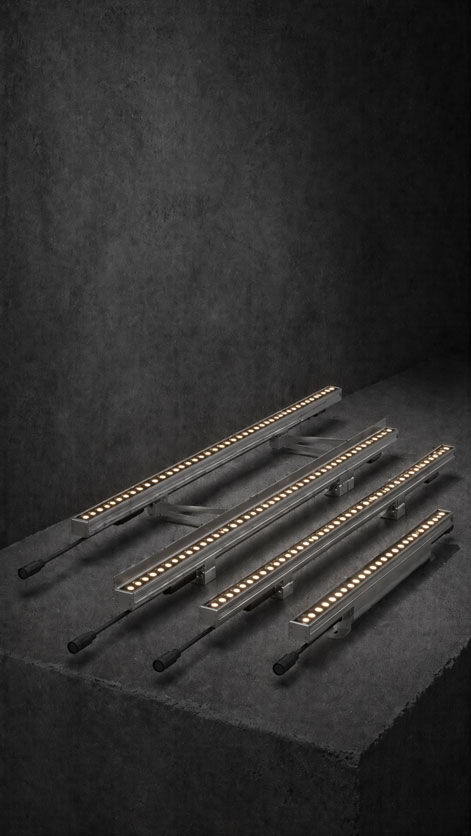
For most hotel and commercial building facades up to 10m height with fixtures mounted 0.5–1.5m from the wall: specify a 38W–55W IP67 wall washer with 25°–40° beam angle in 3000K warm white. For RGBW dynamic colour, add DMX512 compatibility. For larger structures above 10m, switch to architectural spotlights.2026-04-20
-
Long-Distance DMX Signal Transmission for Bridge Lighting | TPK Lighting
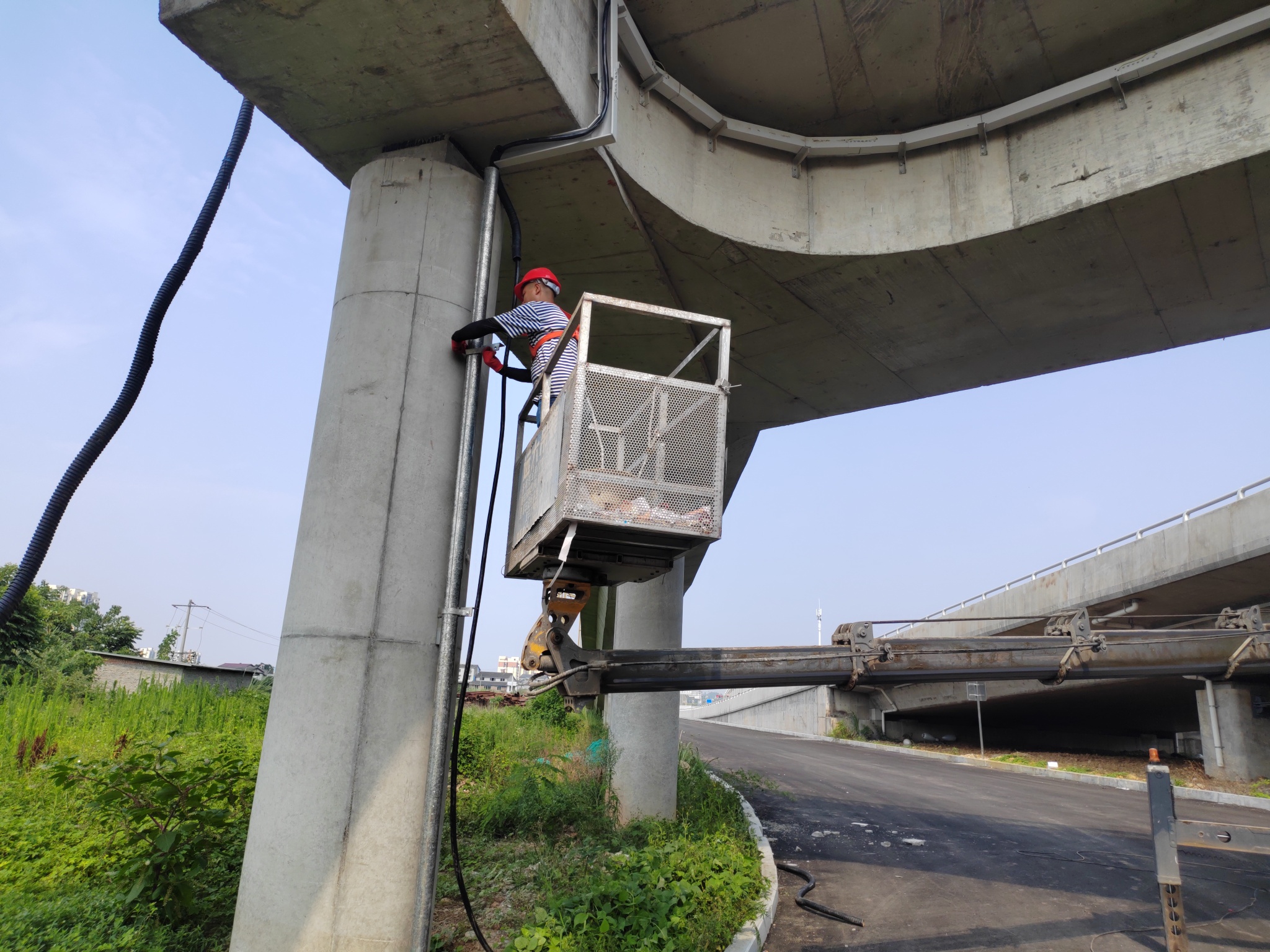
Explore TPK Lighting's field-proven DMX signal transmission solutions for long-span bridges, featuring DMX-LoRa gateways, 5G integration, and wireless PTP technology.2026-04-08