

-
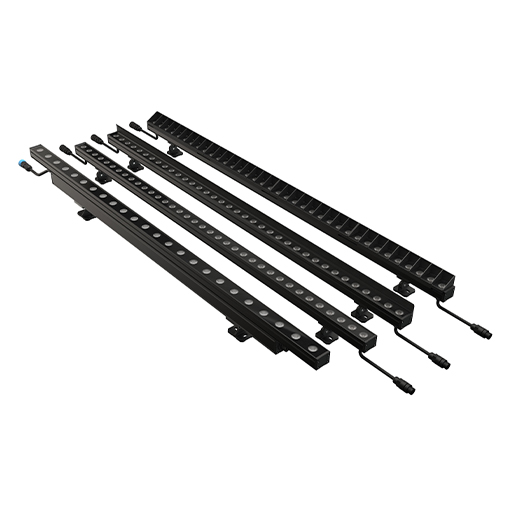
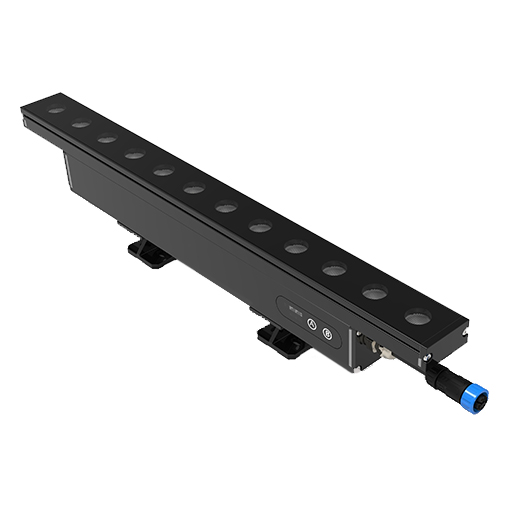
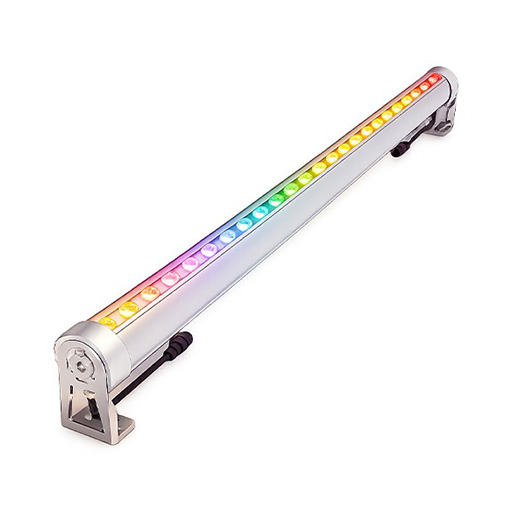
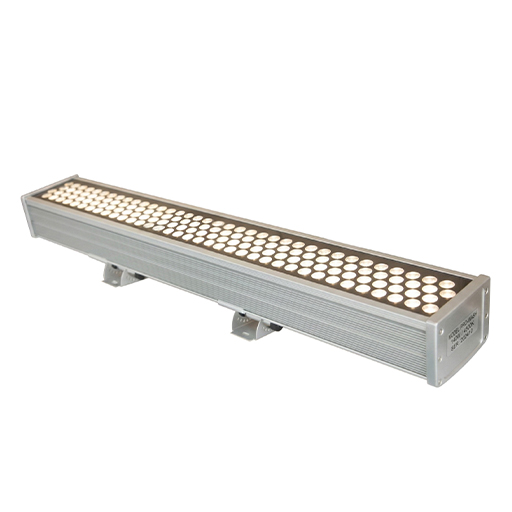
LWW-PZT-W38A
LWW-WZB-W55
LWW-OP-D80
LWW-ROWS-W150
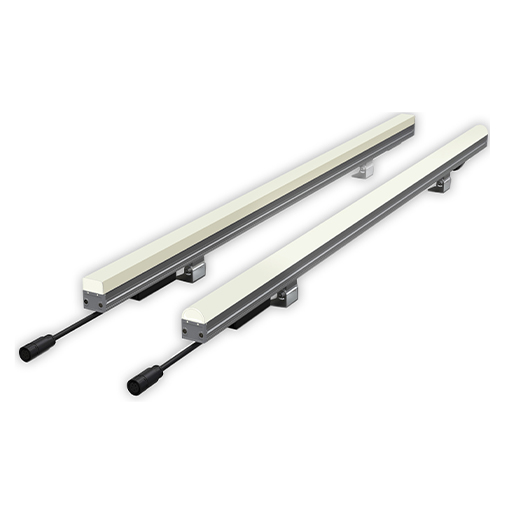
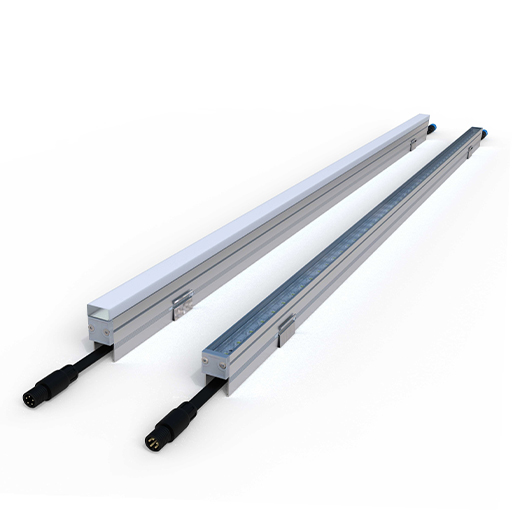
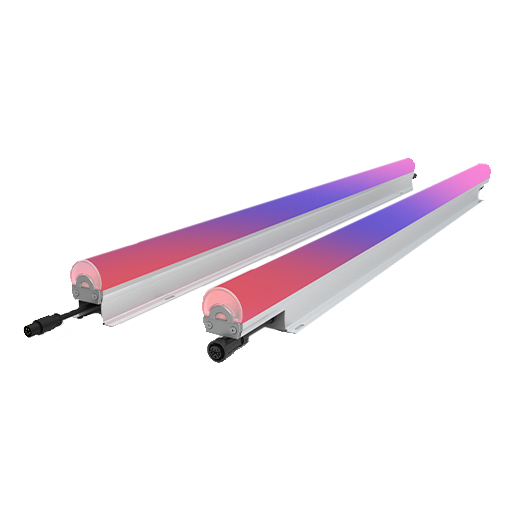
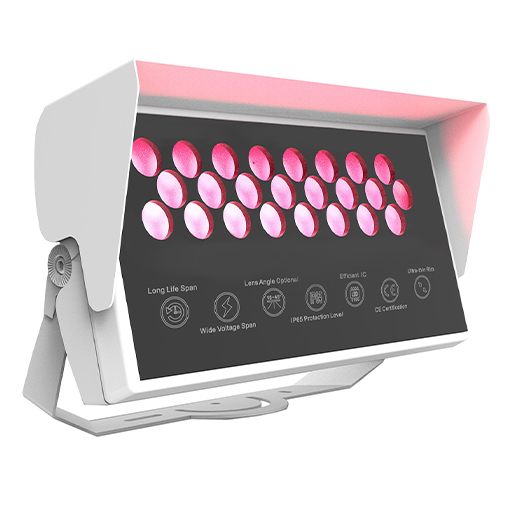
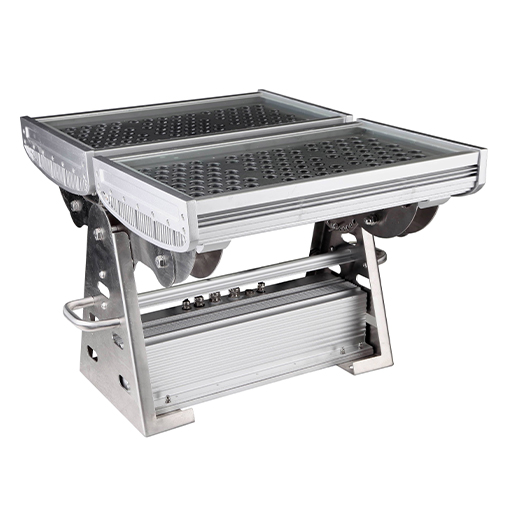
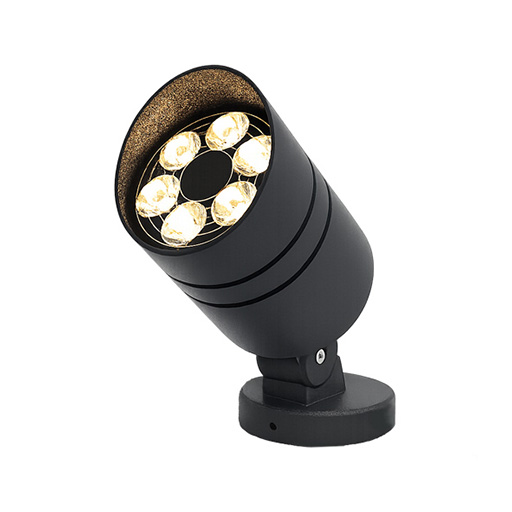
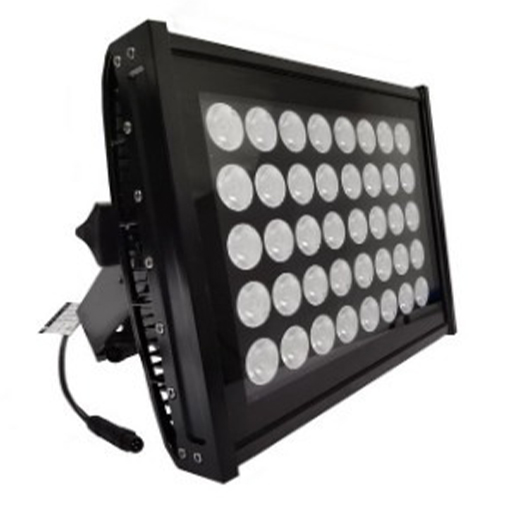
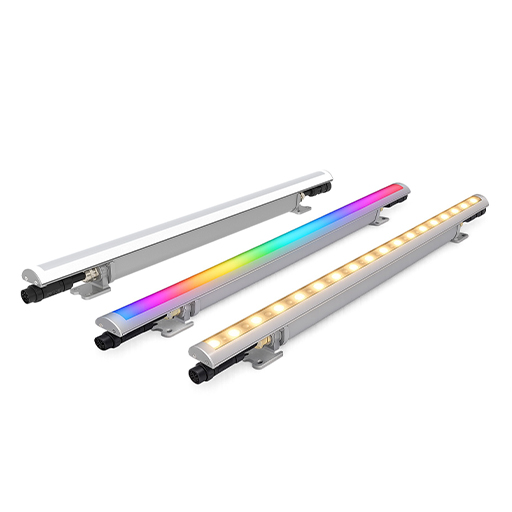
SP-DKP-F170A
SP-MEGA-F620A
SP-MEGA-F310A/B
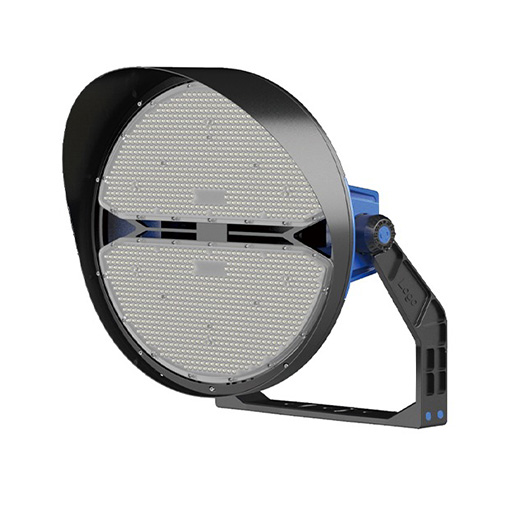
STD-YXYSW4
STD-YXYSW5
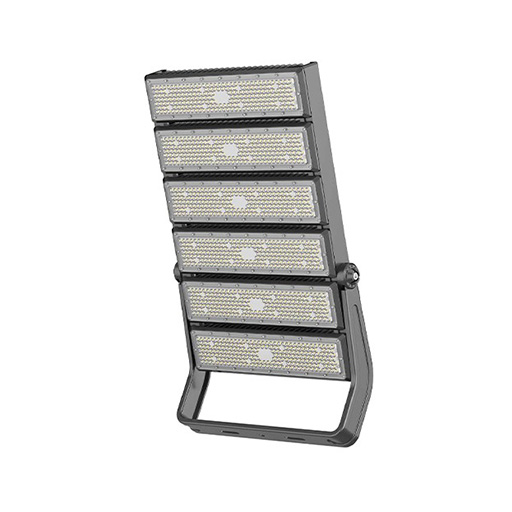
STD-YXYSW6
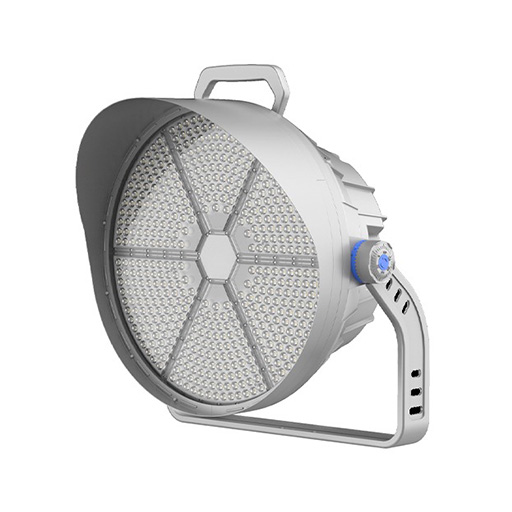
STD-YXYDF3A
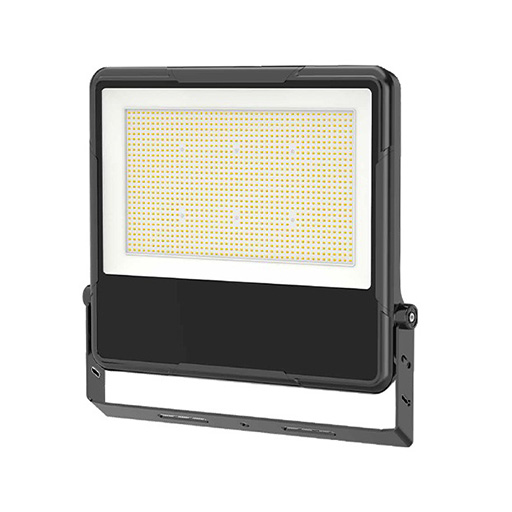
LLS-WZB-W40
LLS-OP-W30A
LLS-OP-W20
LLS-OP-D50
SP-EA-R195/R225
-
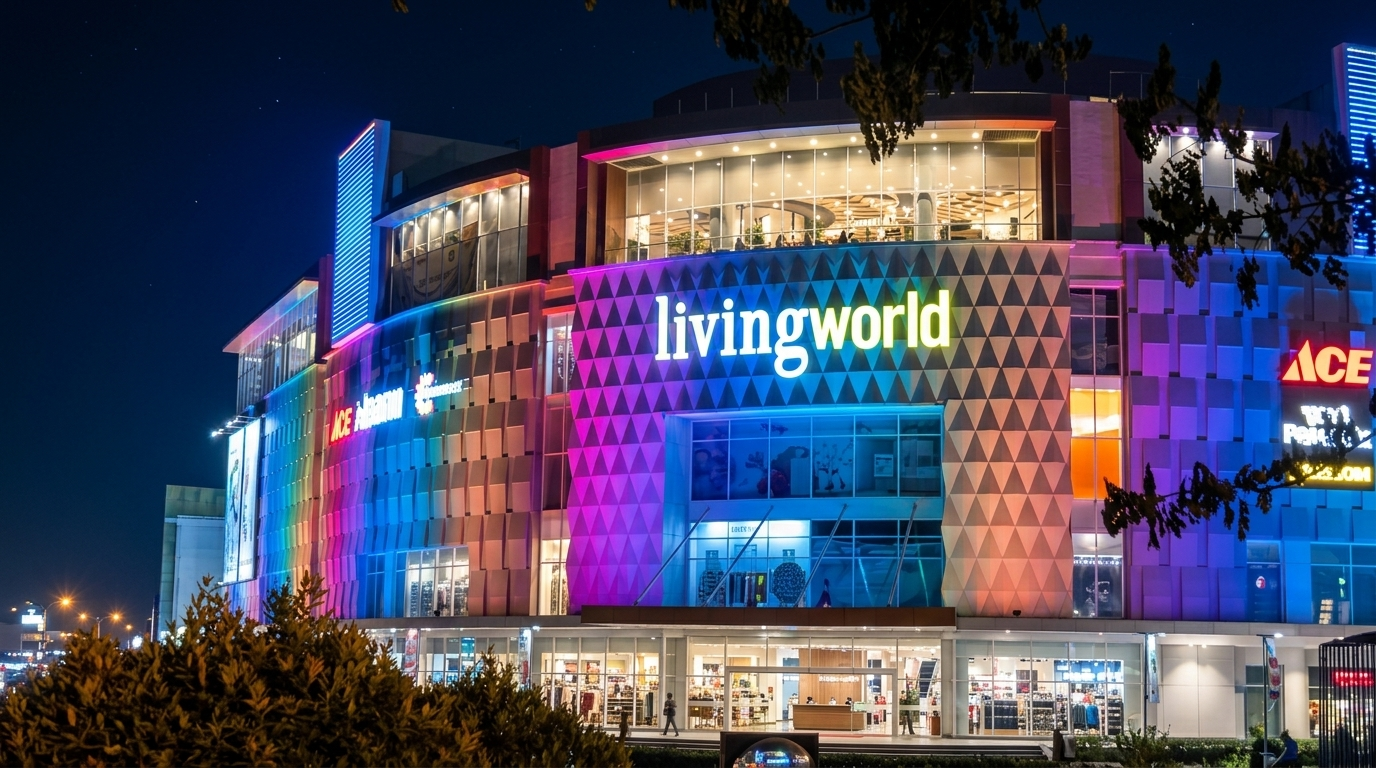
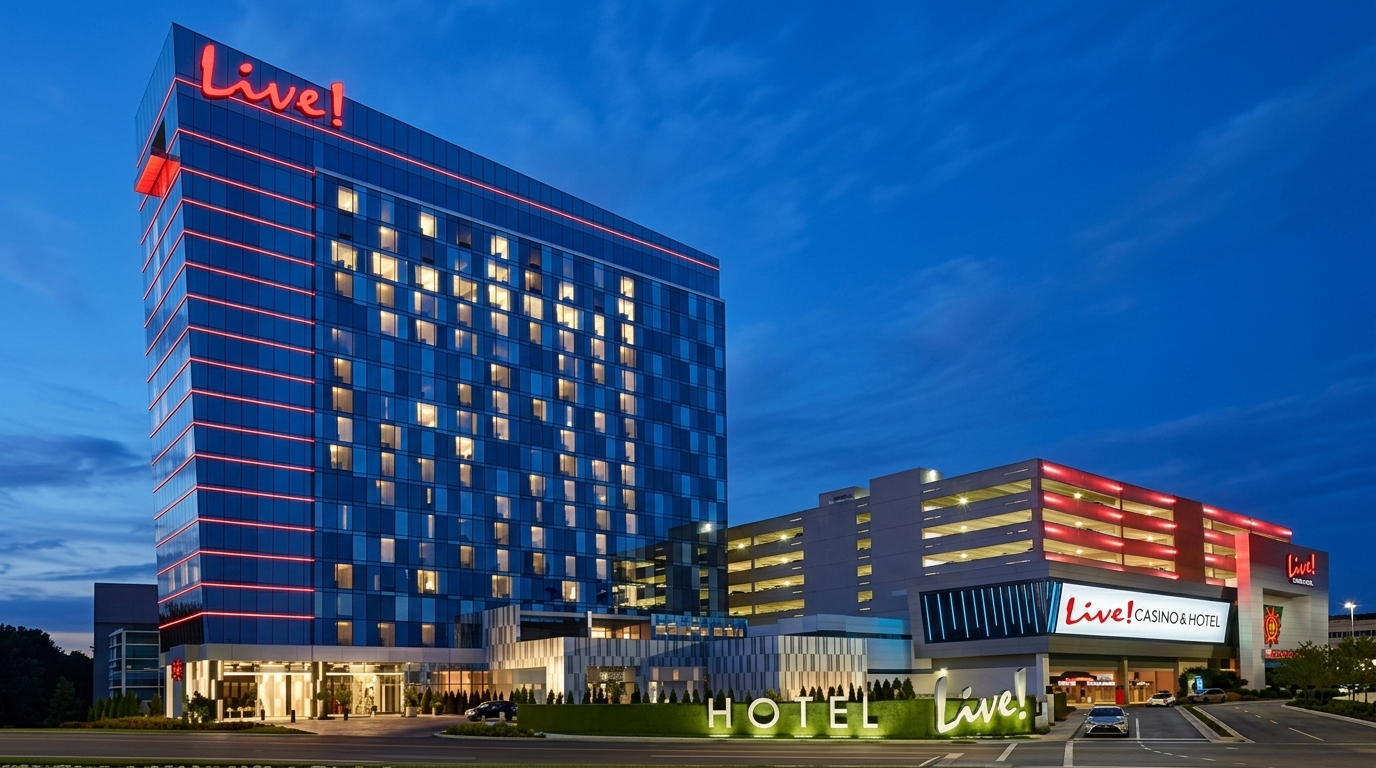
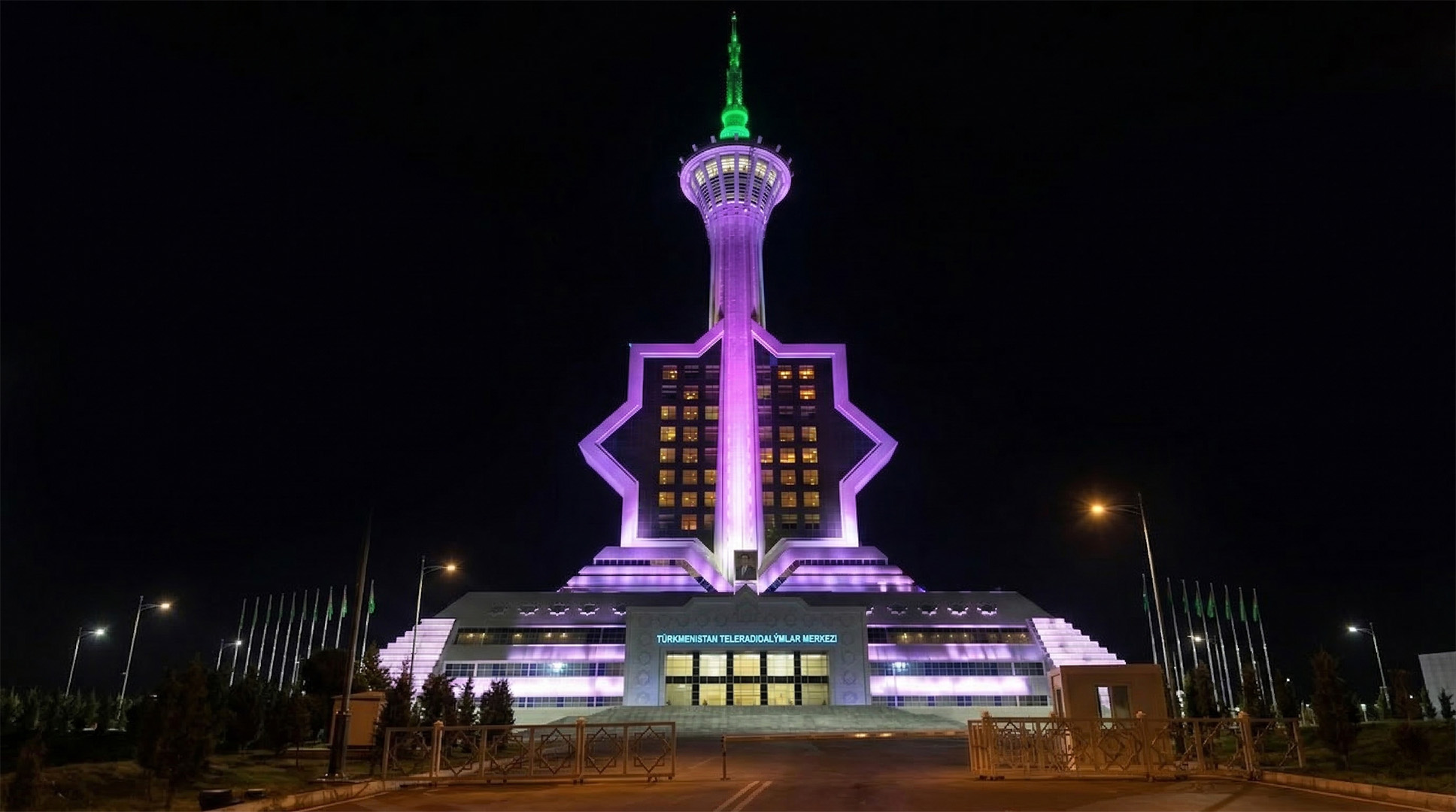
Jinyun County
Live Hotel
Living World Mall Indonesia
Turkmenistan Engineering
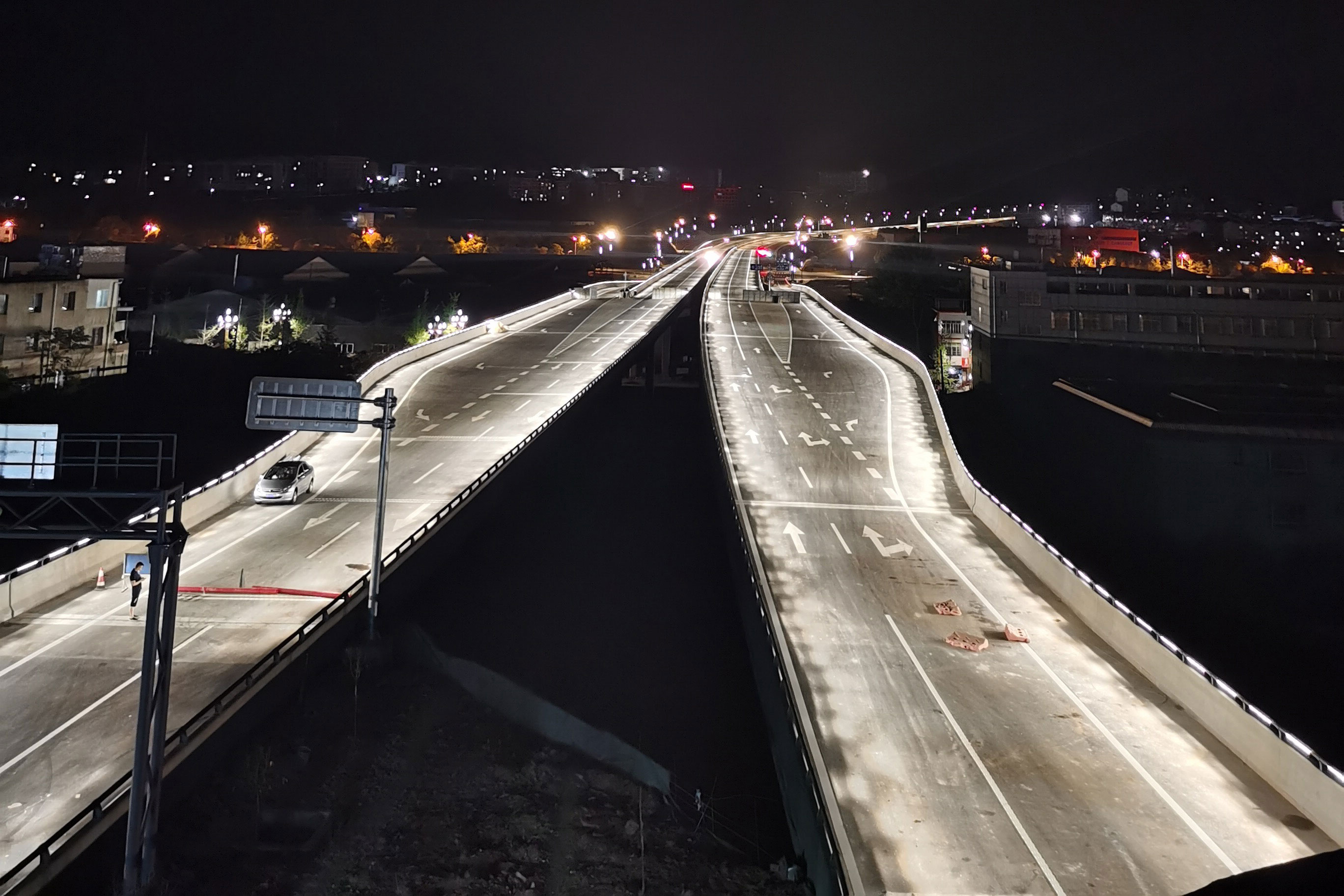
Mianyang city a ring road overpass
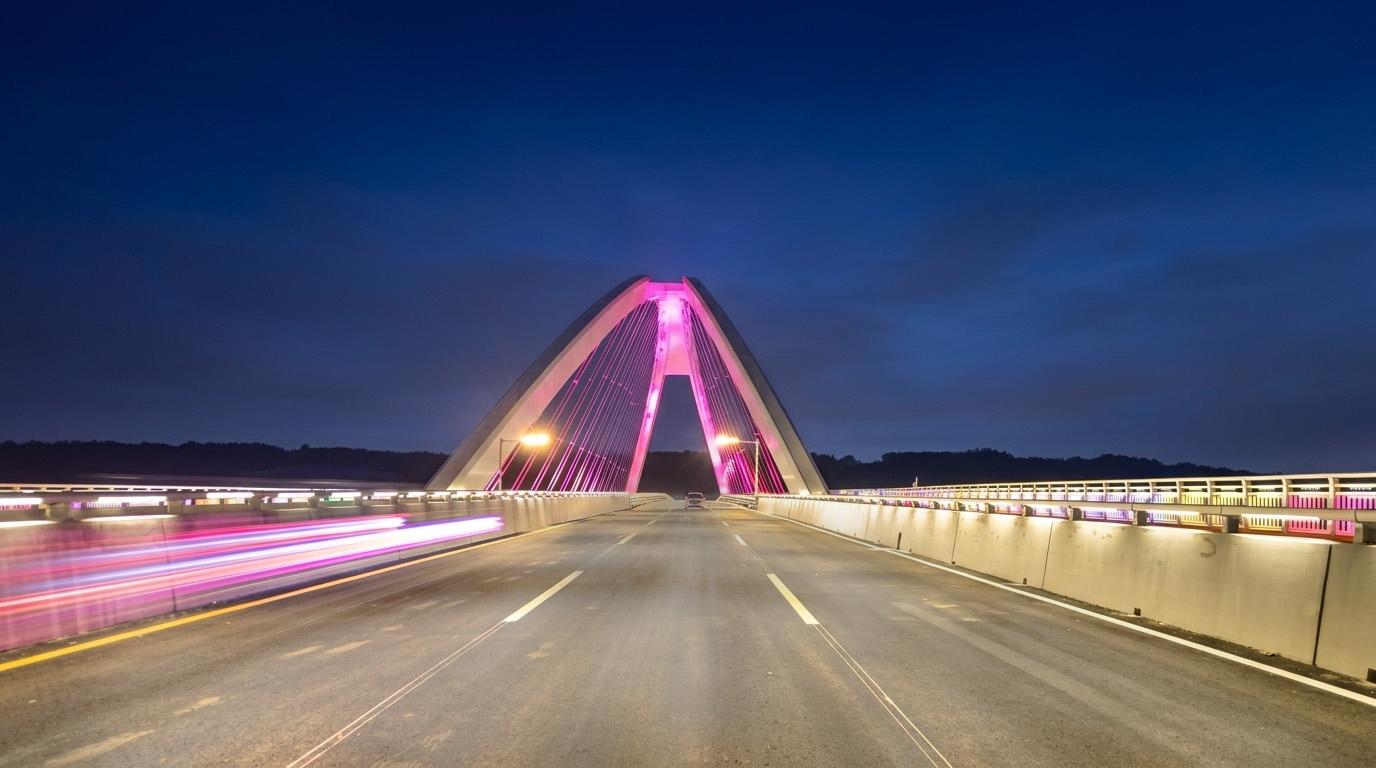
Lighting Project of Fujiang Bridge
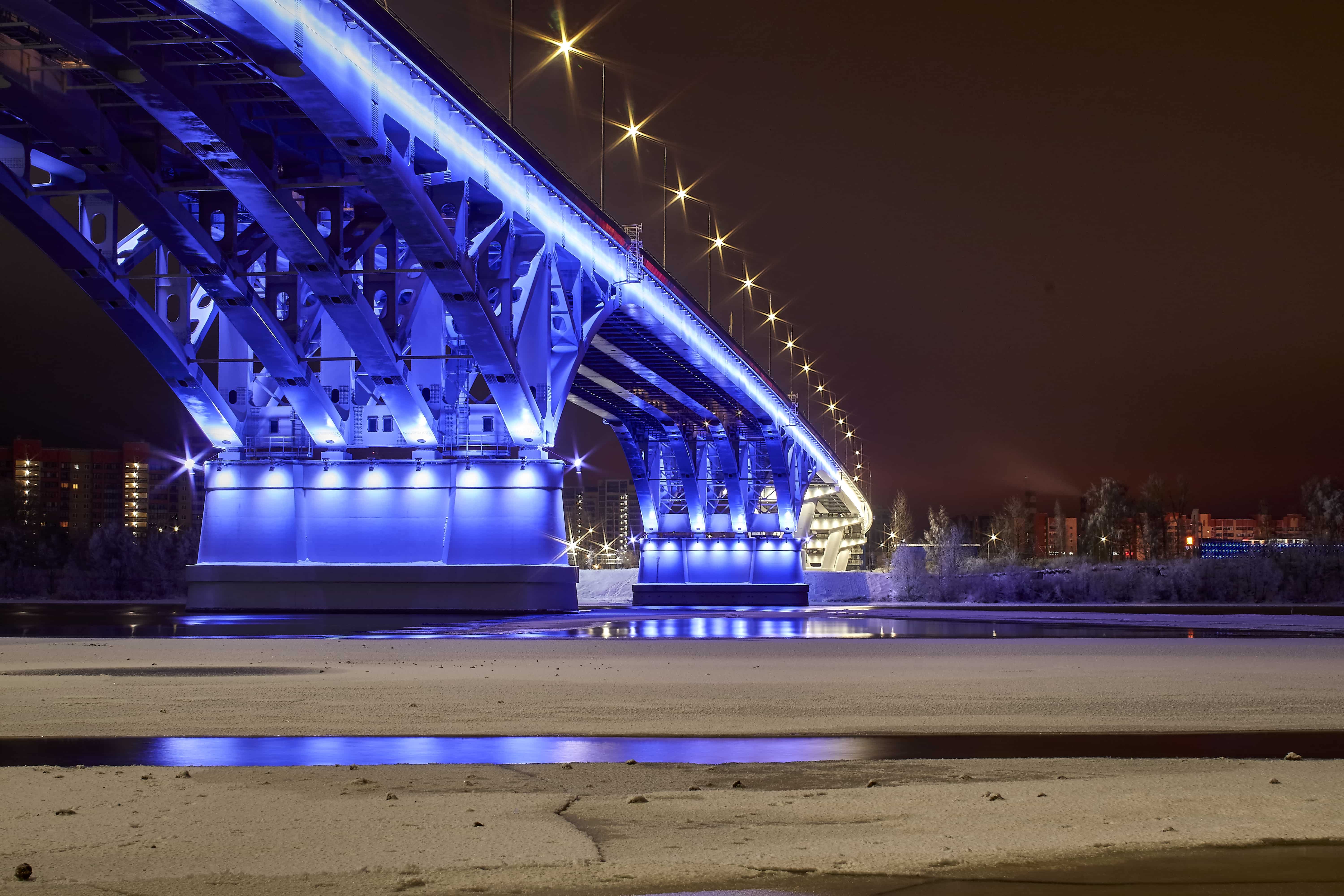
The volga river bridge
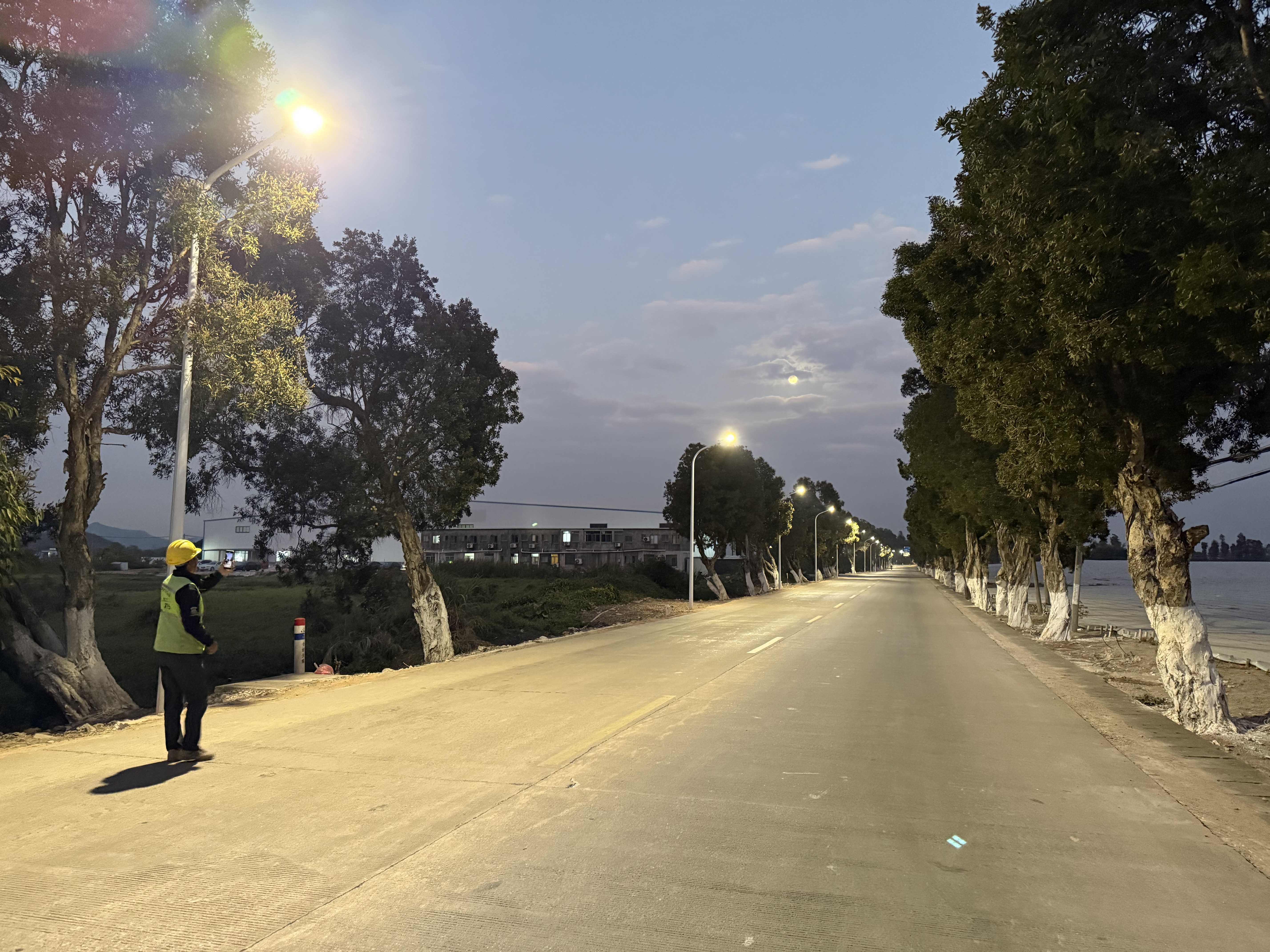
Road Lamp Project of Nanlang Village
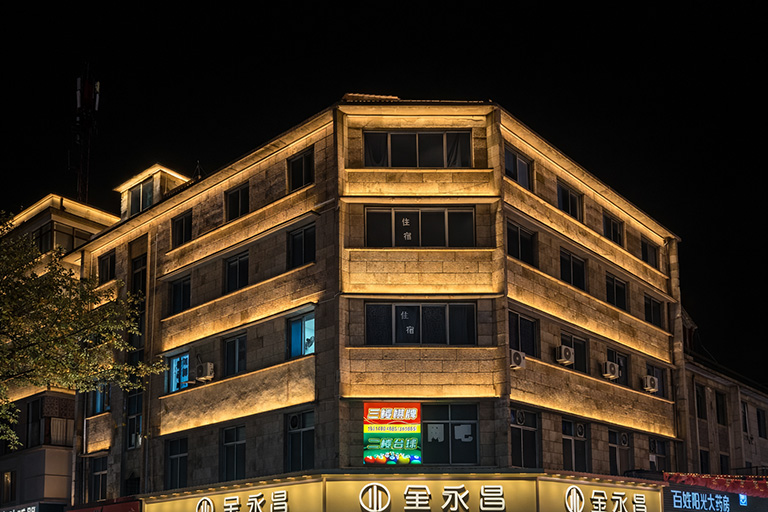
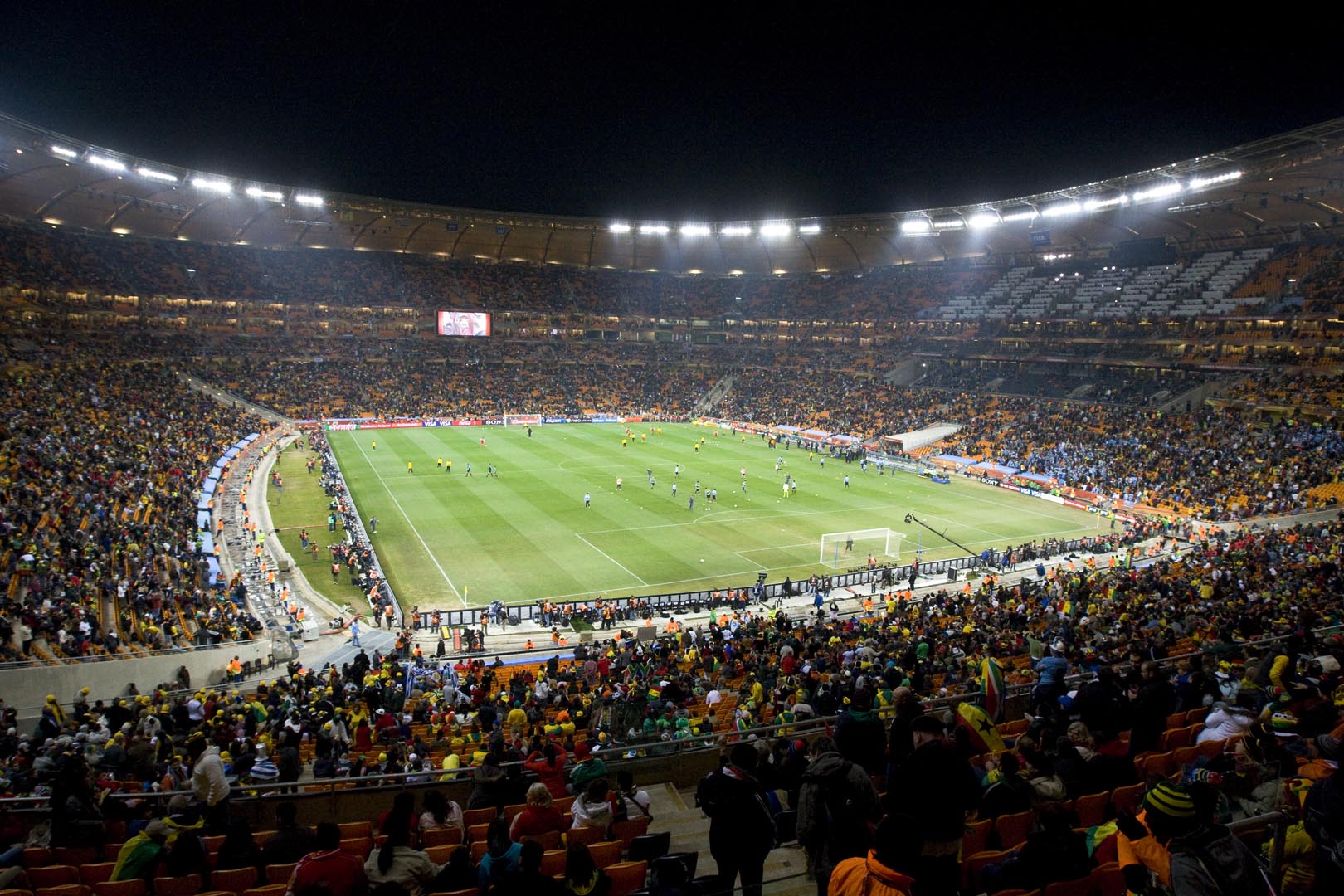
Kleanthis Vikelidis Stadium
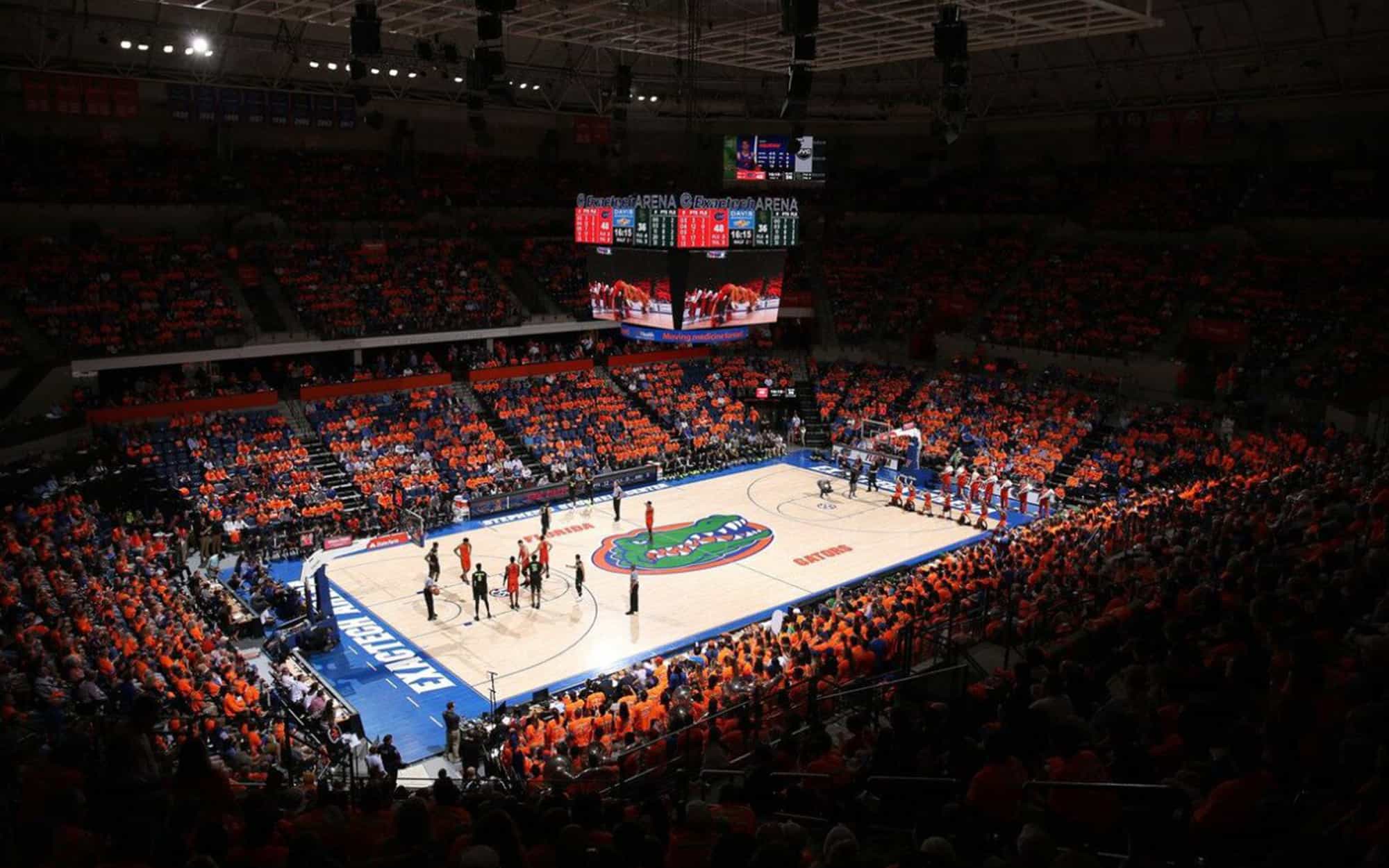
Florida Atlantic University

Shahid Nassiri Stadium
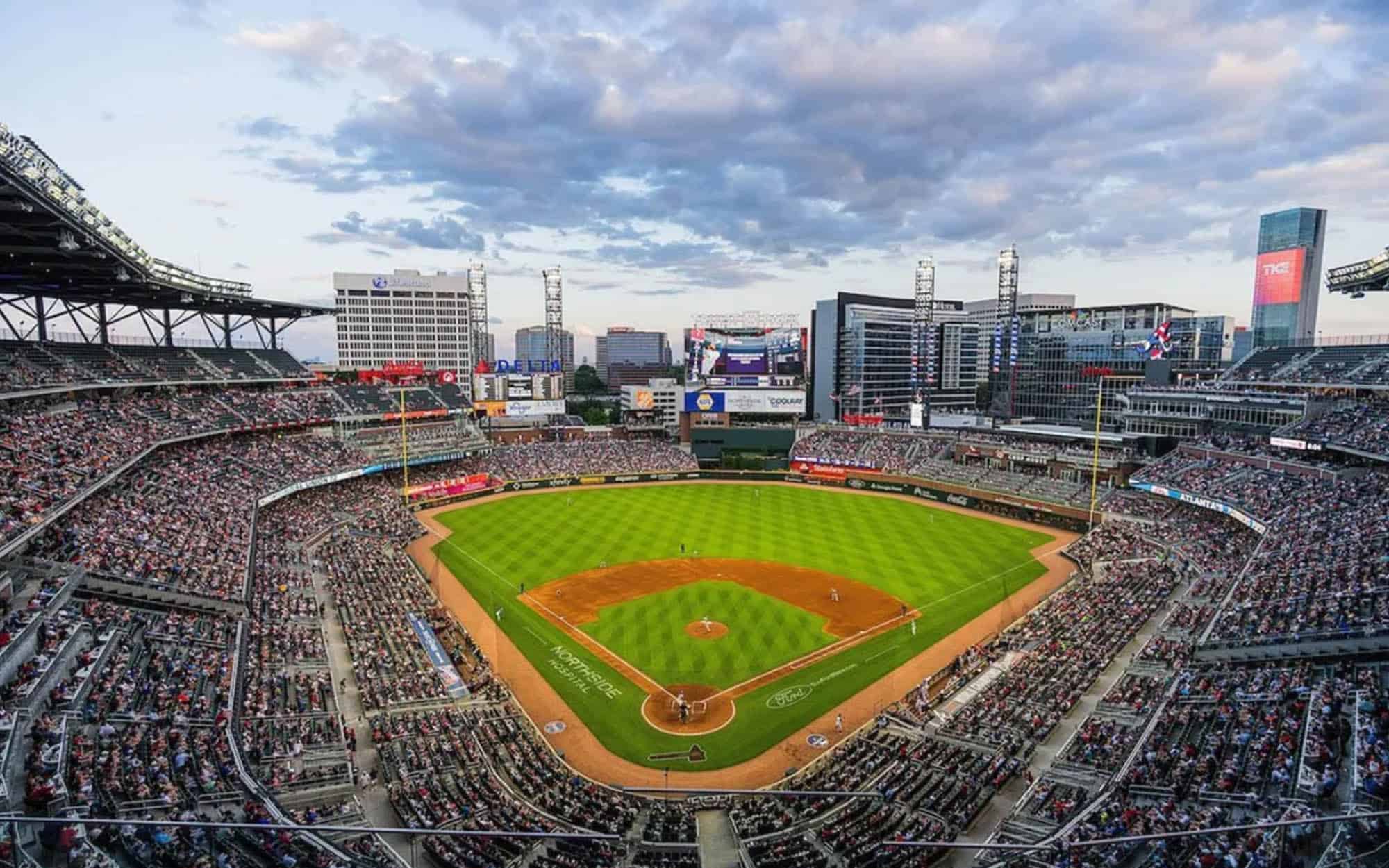
Rangers Ballpark
-

Bridge Lighting Solutions
Project-ready LED wall washers, spotlights and control support for road bridges, river crossings, urban overpasses and landmark bridge structures. This page is designed as an engineering-focused solution page, not just a product gallery.
For bridge projects, the critical decisions usually come first: glare control for drivers, weather resistance, long cable runs, mounting feasibility and how the structure reads from a distance at night. This page is organized around those decisions and then leads into products, case references and FAQs.

Fujiang Bridge, Mianyang — Road Bridge Engineering
2,637 custom anti-glare barrier lights across three specifications for D108/D75 pipes. New-tooled lens + stamped metal shroud reduces driver glare 30% at 1.4m eye level. 1km DMX signal run via multi-stage repeater. China Railway 18th Bureau · May 2025.
What makes a strong bridge lighting solution?
Bridge lighting is not only about creating a night view. It has to support how the structure is perceived from riverbanks, roads, adjacent buildings and pedestrian routes while staying practical for maintenance, cable routing and weather exposure.
Bridge lighting usually combines structural reading and visual hierarchy. Fascia beams, parapets, piers, pylons and cables each demand a different optic strategy. In many projects, the best result does not come from making everything brighter; it comes from clarifying which parts of the bridge should read first and which parts should remain subordinate.
For road bridges, anti-glare discipline is essential. Fixtures must be aimed and shielded so the roadway experience stays calm and safe. For landmark bridges, dynamic color may be appropriate, but the system still needs a stable base logic for white light, maintenance access and control reliability.
For project teams, the real value is a workable system package. That means suitable fixtures, practical mounting thinking, file support, case references and a realistic process from proposal to delivery.

A bridge should read clearly before it reads dramatically
That principle helps on both desktop and mobile layouts. The page therefore keeps static information readable first, then uses motion only as a secondary cue. The same logic is applied to the lighting story itself: structure first, spectacle second.
Fascia & edge definition
Wall washers and linear solutions help the bridge read as one coherent object from a long distance, especially on river crossings and urban road bridges.
Pylon, truss & cable emphasis
Spotlights and tighter beams are used where structure needs definition without flooding the whole bridge with unnecessary brightness.
Static white or DMX dynamic logic
Some projects only need stable warm or neutral white. Others need programmable RGBW scenes for events, holidays or civic programming.
Common challenges in bridge lighting projects
Compared with standard facade jobs, bridges usually introduce more constraints on mounting, cabling, access and safety. The page keeps these issues explicit so the visitor can self-qualify faster.
Driver glare and roadway comfort
A bridge can look impressive from outside yet still fail if the beam control disturbs drivers, pedestrians or adjacent viewpoints. Optical discipline matters as much as output.
Long cable runs and signal planning
Bridges naturally stretch control and power routes over long distances. A product-only answer is rarely enough; routing and signal continuity must be considered together.
Mounting feasibility on non-standard structures
Bridge details vary widely: parapets, fascias, trusses, piers and inspection paths all change how a fixture can actually be installed and maintained.
Weather, moisture and exposed environments
River mist, rain, dust, temperature shifts and constant outdoor exposure make sealing and long-term reliability a first-layer requirement, not a nice-to-have.
Maintenance access and lifecycle cost
A fixture replacement on a bridge is not like replacing a fixture on an indoor wall. Access, lane control and labor exposure all affect lifecycle thinking.
Multiple viewpoints, one coherent effect
Bridges are viewed from moving vehicles, riversides, city elevations and pedestrian routes. The scheme has to hold together from more than one distance and angle.
A practical process from brief to product direction
The page is intentionally organized to work for both desktop and mobile users. On larger screens it reads as a structured engineering page; on mobile it collapses into clear content blocks with buttons, cards and FAQs that remain readable without hover.
Bridge lighting inquiries come in many forms. Some clients arrive with full drawings and photometric targets; others have only a photo of the bridge and a concept direction. Either way, the five steps below describe how a TPK bridge project typically moves from first contact to confirmed fixture schedule.
The most common source of delay in bridge projects is not product selection — it is discovering a constraint late. A pipe diameter that does not match any standard fixture clamp. A DMX run that exceeds standard cable limits. A structural engineer who prohibits drilling after the mounting method has already been specified. Getting these questions on the table at Step 1 saves weeks and avoids redesign cost.
Tell us the bridge type and the constraints
Bridge type, pipe or mounting surface dimensions, whether drilling is permitted on structural elements, and the control requirement (static white or DMX dynamic). These four items determine product family and installation method before anything else.
Match fixture family to function
Road barrier lighting and landscape lighting use different product logic. Barrier lights prioritise anti-glare optics and road surface illumination. Arch and pier lighting prioritise colour rendering and long-term structural fixation without drilling.
Plan the signal run before specifying products
Confirm the DMX cable run distance first. Standard DMX512 signal degrades beyond 300m — any bridge longer than this needs signal repeaters specified into the system design. This decision affects cabling, cabinet placement and budget, not just product selection.
Request IES files and run DIALux simulation
TPK provides IES photometric files at no charge for all product series. Send the bridge drawing or cross-section and we run the illuminance simulation — verifying uniformity ratio and coverage before any order is placed. This step is included in all project inquiries.
Start a project conversation
The CTA system is kept consistent with the rest of the site: free lighting proposal, contact page and WhatsApp contact entry.
Products often specified for bridge lighting
For immediate launch, the links below use current live product pages on tpk-led.com rather than unpublished future URLs. That keeps the page usable now while still supporting your new solution-page architecture.

A practical entry for bridge fascia, edge definition and compact structural illumination where the project needs a more controlled form factor.

Suitable where the bridge needs stronger projection, longer reading distance or a more substantial structural wash.

For pylons, trusses and focal accents that need more directional control than a wall washer can provide.

Best considered where bridge towers or landmark elements require a stronger long-throw visual statement.
Bridge and infrastructure project examples
Completed bridge and infrastructure projects across China, Russia and Central Asia — from urban road overpasses to landmark river crossings.

A strong reference page for structural bridge lighting, dynamic expression and large-scale night identity.
2,637 custom barrier lights across three specifications for D108/D75 pipes. Anti-glare optics reduce driver glare 30% at 1.4m. 1km DMX run. China Railway 18th Bureau · May 2025.

Relevant for roadway-safe lighting, neutral white urban expression and infrastructure-oriented visual control.
Bridge lighting questions clients ask first
Common questions from project engineers, lighting designers and procurement teams at the specification and pre-tender stage.
Bridge lighting usually combines LED wall washers for fascia or structural surfaces with spotlights or higher-output floodlights for pylons, trusses, cables or landmark accents. The correct combination depends on the bridge type and the viewing distance.
For road bridges, glare control and visual comfort are critical. The lighting should clarify the structure and improve nighttime identity without introducing disturbing brightness into the driver's field of view.
DMX is useful when the bridge needs programmable RGB or RGBW scenes for holidays, events or civic programming. It is also relevant when different structural zones need separate addressing or coordinated effects across long spans.
In some cases, yes — but only with purpose-designed anti-glare optics. On the Fujiang Bridge in Mianyang (completed May 2025), 2,637 barrier-height fixtures at 1.4m mounting height replaced high-mast poles entirely. The critical requirement is beam control: a 12–13° vertical angle prevents direct glare into the driver eye line, while a 92–93° horizontal angle covers two full 3.5m carriageway lanes. IES photometric data confirms 33.2 lx at the far-lane edge. Standard catalogue fixtures without cutoff optics will not meet this — verify with the actual IES file in DIALux before specifying.
No. Many bridge projects are stronger with stable warm white or neutral white lighting. Dynamic color is most appropriate when the bridge has a civic, event-driven or landmark role that benefits from changing scenes.
The most useful starting materials are bridge type, project location, desired effect, whether the scheme is static or dynamic, and any available drawings, elevations or site photos. That is enough to start a practical product discussion.
Have a bridge project in hand?
Use the contact page for the formal inquiry path, or send a quick WhatsApp message for early feasibility discussion.
Useful follow-up destinations
Product categories, project case studies, catalogues and company information.
Explore more TPK resources
All Solutions
Overview of all application areas: facades, bridges, infrastructure, stadium and civic lighting.
Product Categories
Wall washers, linear lights, spotlights and barrier lighting — full specification and pricing.
Project Case Studies
Completed projects across Asia, Europe, Russia and the Americas.
Catalogues & PDFs
Full product catalogues and specification sheets in PDF format.
Ready to start your bridge lighting project?
Send bridge type, structure dimensions, control requirement and any available drawings. We return a fixture schedule, IES-based illuminance simulation and project quote within 24 hours.

Profitable Operations (Profit with Purpose)
Knowledge-Driven Team (Keep Improving)
