



ETL, CE and IP67 —
A Practical Guide to LED Lighting Certifications
for International Projects
Why Certification Matters in Architectural Lighting
For most commercial architectural lighting projects, fixture certification is not optional. In the United States and Canada, electrical installations require fixtures listed by an OSHA-recognised testing laboratory — without listing, a project will not pass electrical inspection. In Europe, CE marking is a legal requirement for products placed on the market. In the Middle East and Asia, requirements vary by country and project type, but international certifications increasingly serve as the baseline for project authority approval.
The practical consequence: if you specify a fixture that lacks the required certification for your market, you may need to replace it after the project is awarded. Confirming certification before specification is always faster and less expensive than correcting it after.
The Four Certifications That Matter Most
ETL Listing — North America
ETL listing is issued by Intertek, one of the OSHA-accredited Nationally Recognised Testing Laboratories (NRTLs) in the United States. ETL listing confirms that the product has been tested against and found compliant with the applicable UL safety standard for its product category.
For LED luminaires intended for permanent commercial installation in the USA or Canada, ETL or UL listing is required at the permitting stage. The listing mark must appear on the product label. Authorities Having Jurisdiction (AHJ) — the local electrical inspectors and building officials who approve installations — accept both ETL and UL listed products without distinction. The two schemes test to the same standards and carry equivalent authority.
ETL listing is verifiable through Intertek's online certification directory, where the specific models, ratings and conditions of listing are publicly searchable by certificate number or manufacturer name.
UL Listing — North America
UL listing is issued by UL Solutions (formerly Underwriters Laboratories), the longest-established NRTL in the United States. Like ETL, UL listing confirms compliance with applicable product safety standards. The two schemes are equivalent in authority — specifying ETL listed or UL listed is a matter of which laboratory the manufacturer used, not a difference in safety level.
CE Marking — Europe
CE marking indicates conformity with European Union directives applicable to the product. For LED luminaires, the primary directives are:
Low Voltage Directive (LVD 2014/35/EU) — covers electrical safety of the fixture and its driver at voltages between 50V AC and 1000V AC.
Electromagnetic Compatibility Directive (EMC 2014/30/EU) — covers radio frequency emissions and immunity. LED drivers can be significant sources of electromagnetic interference if not properly designed and filtered.
RoHS Directive (2011/65/EU) — restricts the use of six hazardous substances (lead, mercury, cadmium, hexavalent chromium, PBB and PBDE) in electrical and electronic equipment.
CE marking is a manufacturer's self-declaration, supported by a Declaration of Conformity and a technical file containing the test reports from an accredited laboratory. Unlike ETL/UL, CE marking does not require a third-party body to issue the mark — but the underlying test reports must exist and be produced on request from market authorities.
IP Rating — Global Standard
The IP (Ingress Protection) rating is defined by international standard IEC 60529. It is not a certification scheme — no body issues IP certification. It is a rating system that describes how well a fixture's enclosure resists the ingress of solid particles and liquids, determined by laboratory testing against the standard.
The rating is expressed as two digits. The first digit (0–6) indicates dust protection; 6 means fully dust-tight. The second digit (0–9) indicates water protection; 7 means water immersion to 1 metre for 30 minutes. IP67 is the recommended minimum for permanent outdoor architectural LED installation.
Which Market Requires Which Certification
The Certification Reference Table
| Certification | Issued By | Required In | Test Standard | Self-Declaration? |
|---|---|---|---|---|
| ETL Listing | Intertek (NRTL) | USA, Canada | Applicable UL standard | No — third-party testing and listing required |
| UL Listing | UL Solutions (NRTL) | USA, Canada | Applicable UL standard | No — third-party testing and listing required |
| CE Marking | Manufacturer | European Economic Area | LVD + EMC + RoHS directives | Yes — supported by test reports and DoC |
| IP67 | Manufacturer | Global (de facto) | IEC 60529 | Yes — supported by accredited lab test report |
| RoHS | Manufacturer | EU (mandatory) + Global | EU RoHS 2 Directive | Yes — supported by material declarations |
| ISO 9001 | Certification body | Global (voluntary) | ISO 9001:2015 | No — third-party audit required |
How to Use Certification Documents in a Project Submission
When submitting fixture specifications for project authority approval — whether to an AHJ in North America, a government body in the Middle East or a developer's technical team in Asia — the following documents are typically required:
TPK Products — Certification Reference
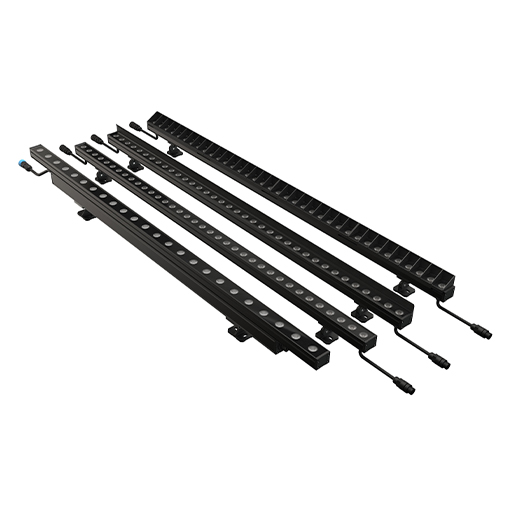
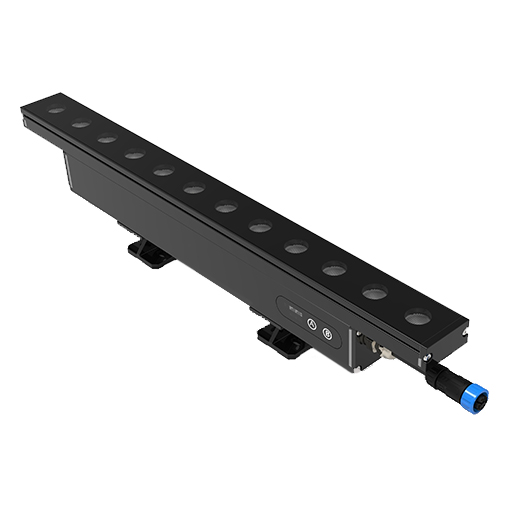
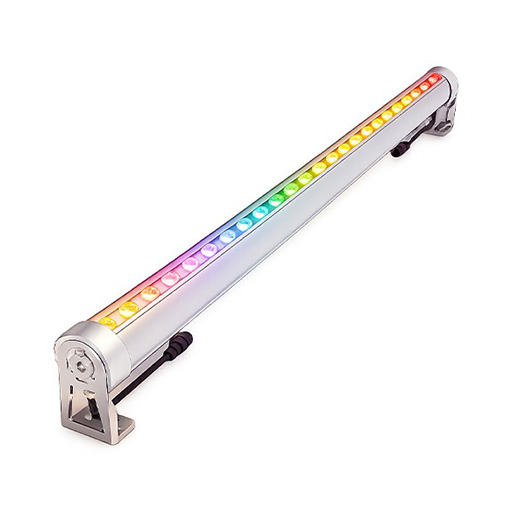
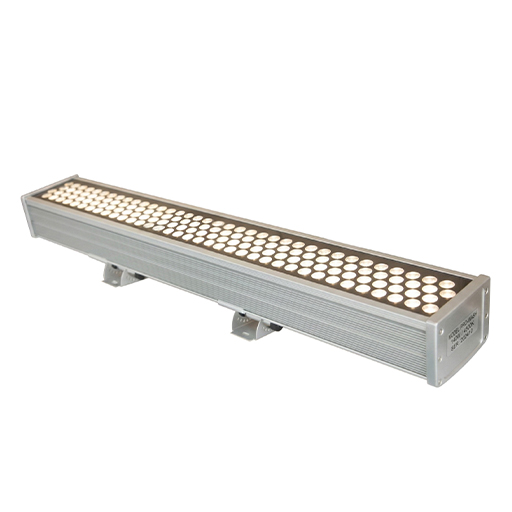
All TPK outdoor architectural LED products carry IP67 ingress protection and CE marking. ETL listing is held on key series for North American project requirements.
| Series | Key Models | ETL | CE | IP | RoHS |
|---|---|---|---|---|---|
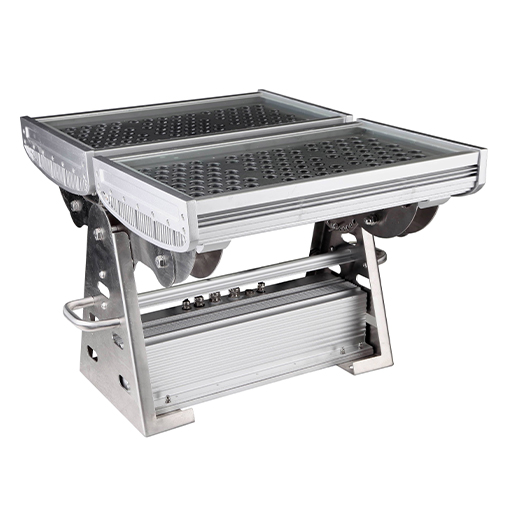
| LED Wall Washer | LWW-PZT-W38A · LWW-WZB-W55 · LWW-OP-D80 · LWW-ROWS-W150 | ETL ✓ | CE ✓ | IP67 | ✓ |
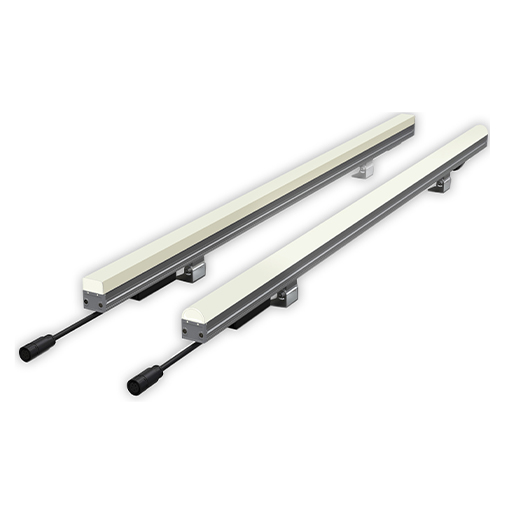
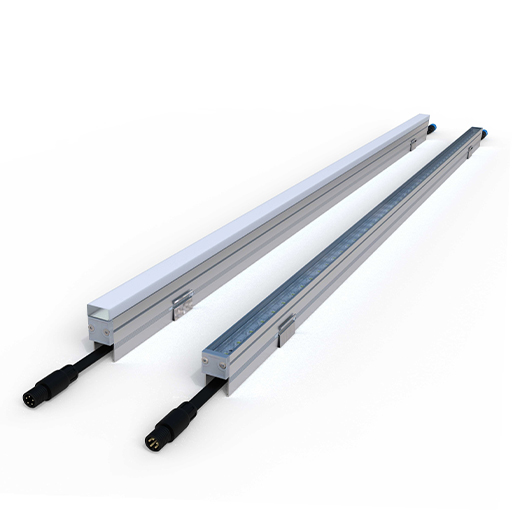
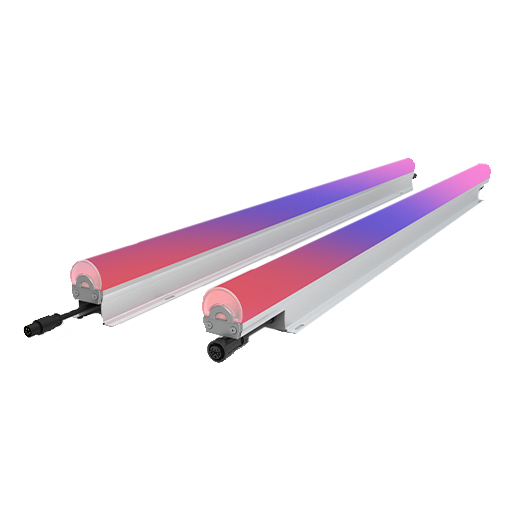
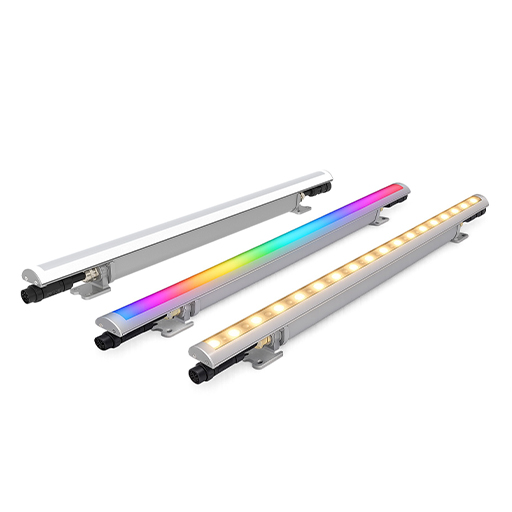
| LED Linear Light | LLS-OP-W20A · LLS-OP-W30A · LLS-WZB-W40 | — | CE ✓ | IP67 | ✓ |
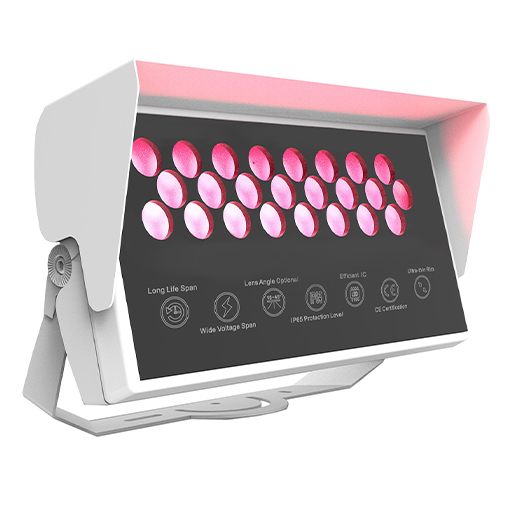
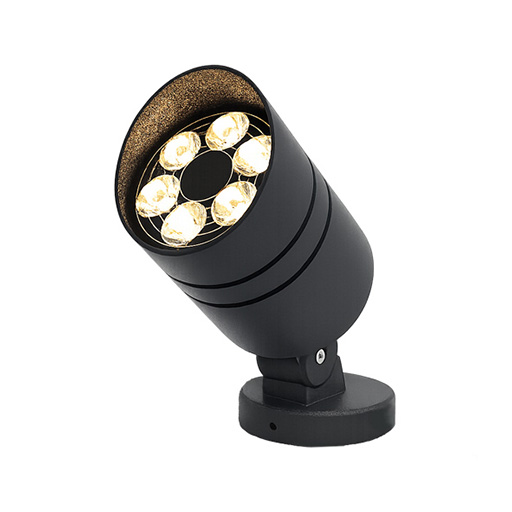
| Architectural Spotlight | SP-DKP-F170A · SP-MEGA-F310A · SP-MEGA-F620A | — | CE ✓ | IP67 | ✓ |
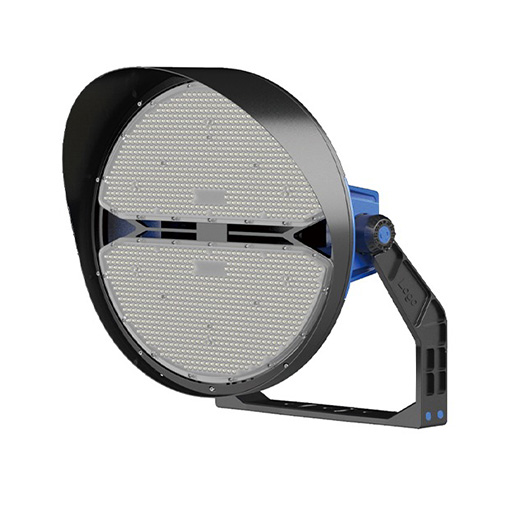
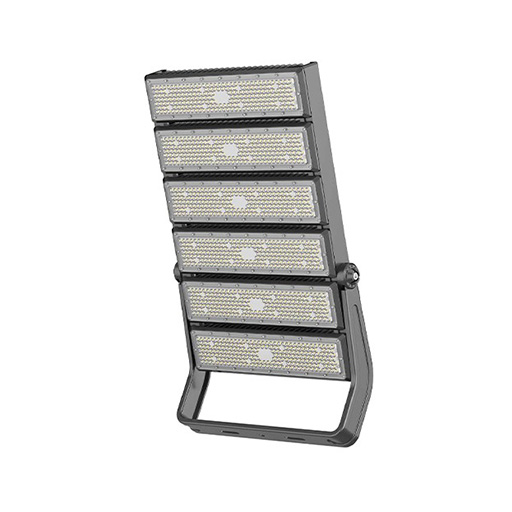
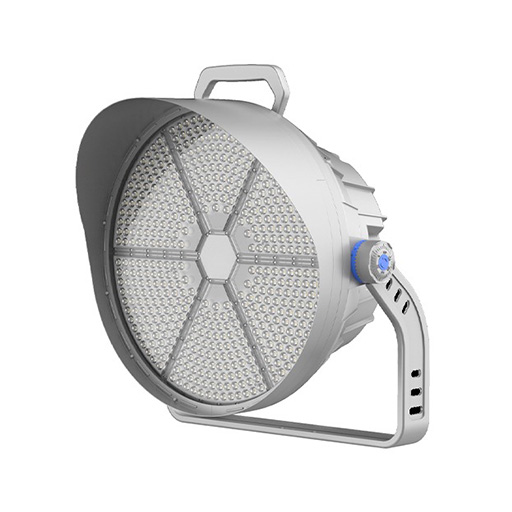
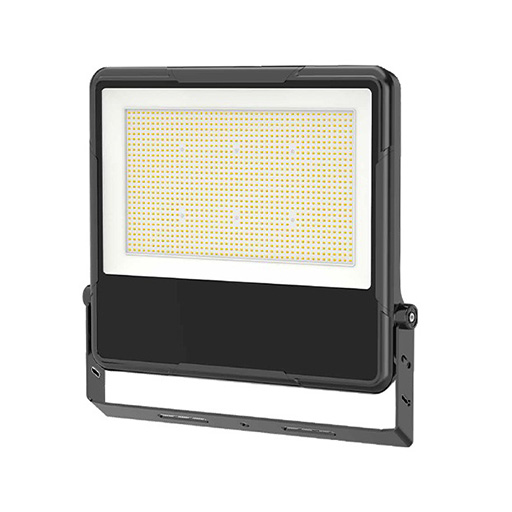
| Stadium & Sports Light | STD-YXYSW4 · STD-YXYSW5 · STD-YXYSW6 | ETL ✓ | CE ✓ | IP67 | ✓ |
ETL certificates, CE Declarations of Conformity and IP test reports are available on request for all listed products. Email ES2@topkinglite.com with the specific model number and project market.