

-
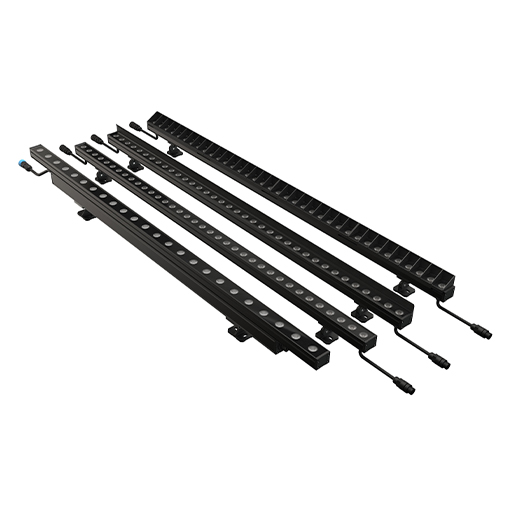
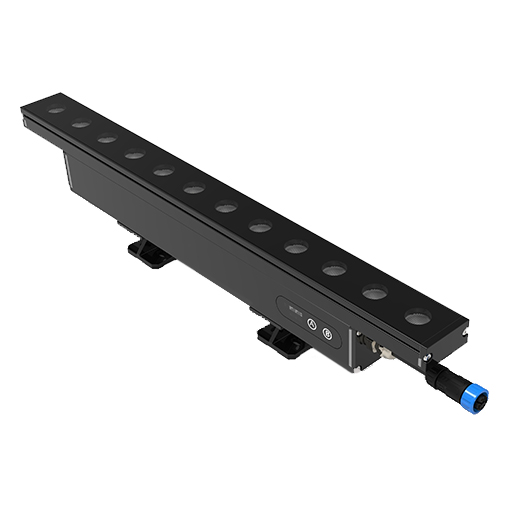
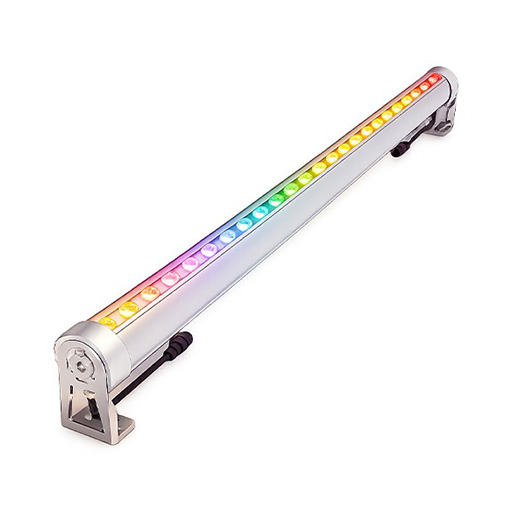
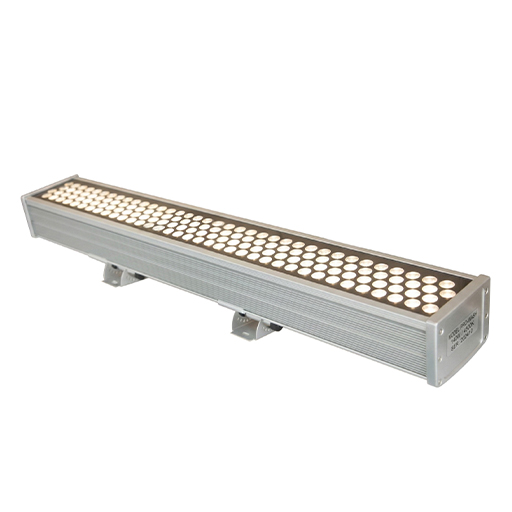
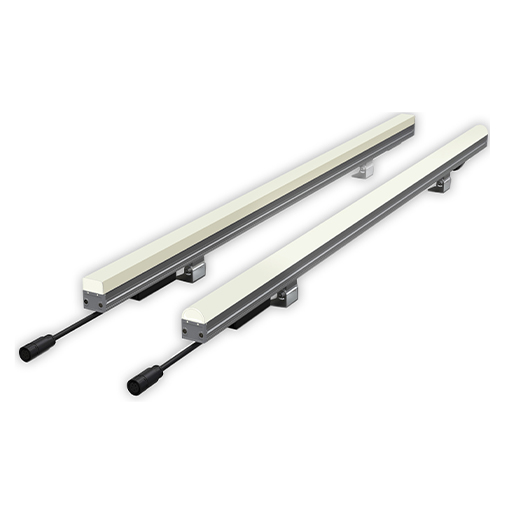
LWW-PZT-W38A
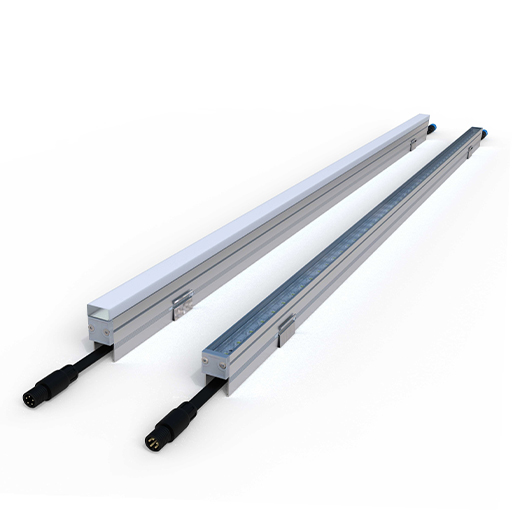
LWW-WZB-W55
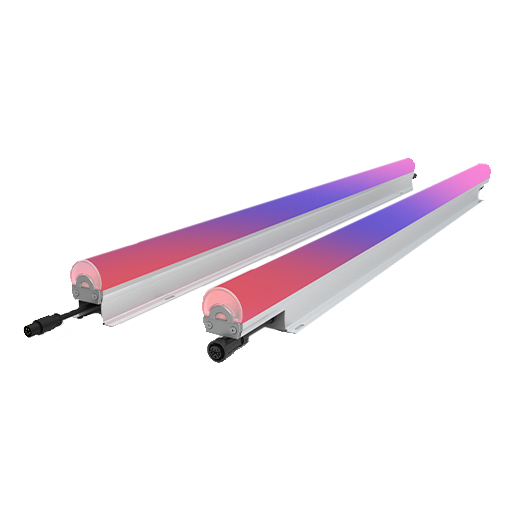
LWW-OP-D80
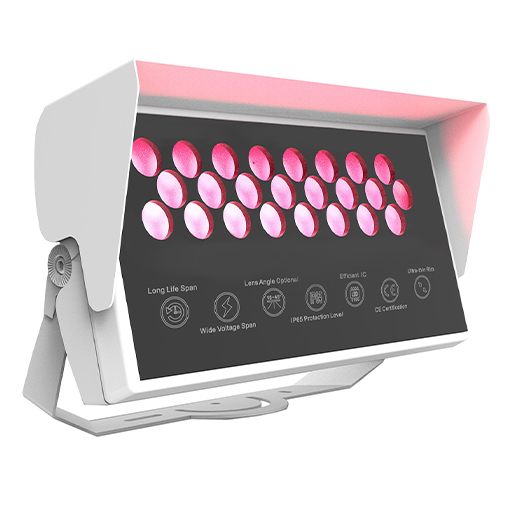
LWW-ROWS-W150
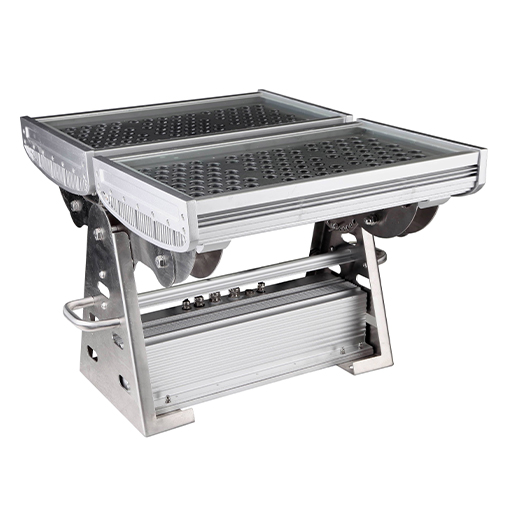
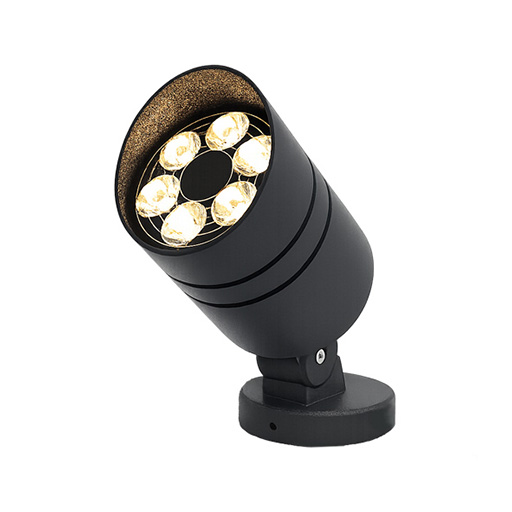
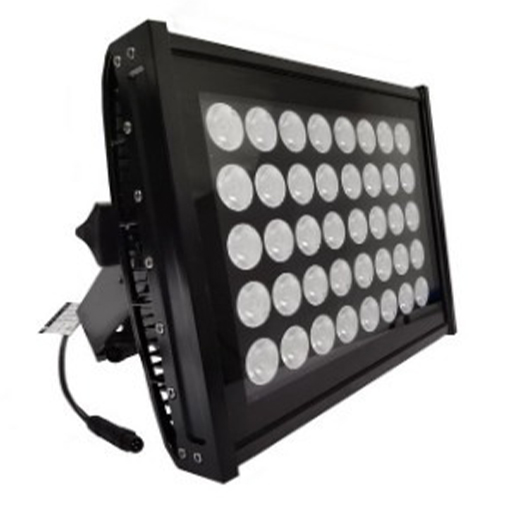
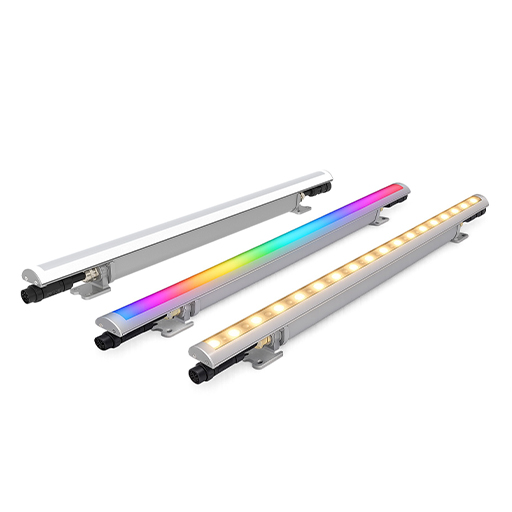
SP-DKP-F170A
SP-MEGA-F620A
SP-MEGA-F310A/B
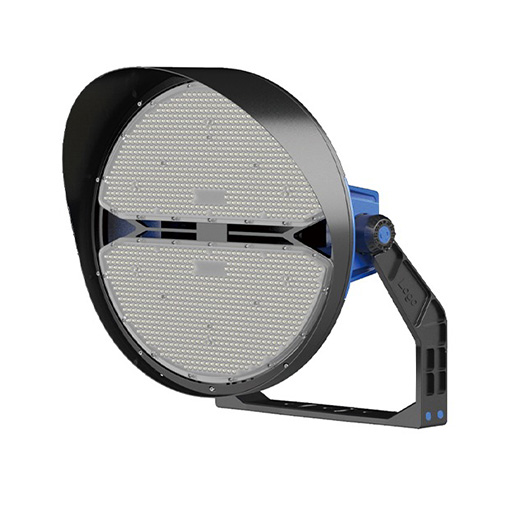
STD-YXYSW4
STD-YXYSW5
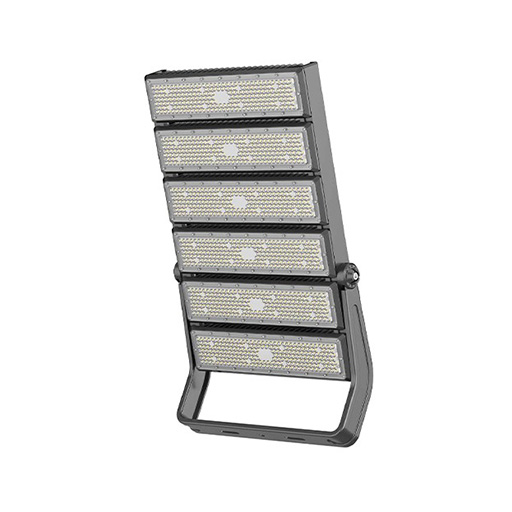
STD-YXYSW6
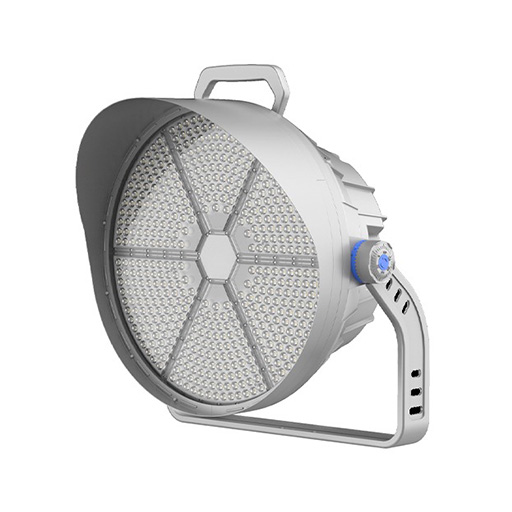
STD-YXYDF3A
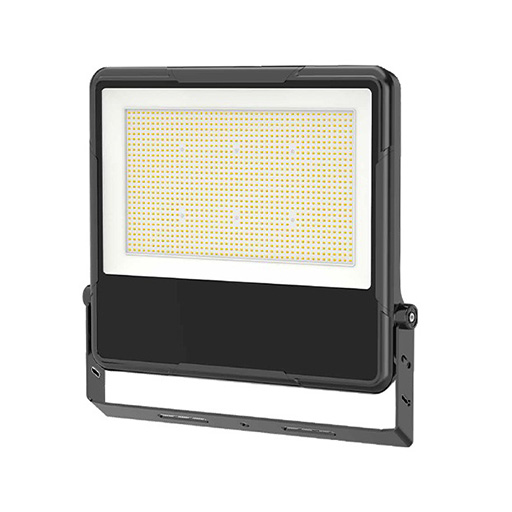
LLS-WZB-W40
LLS-OP-W30A
LLS-OP-W20
LLS-OP-D50
SP-EA-R195/R225
-
Jinyun County
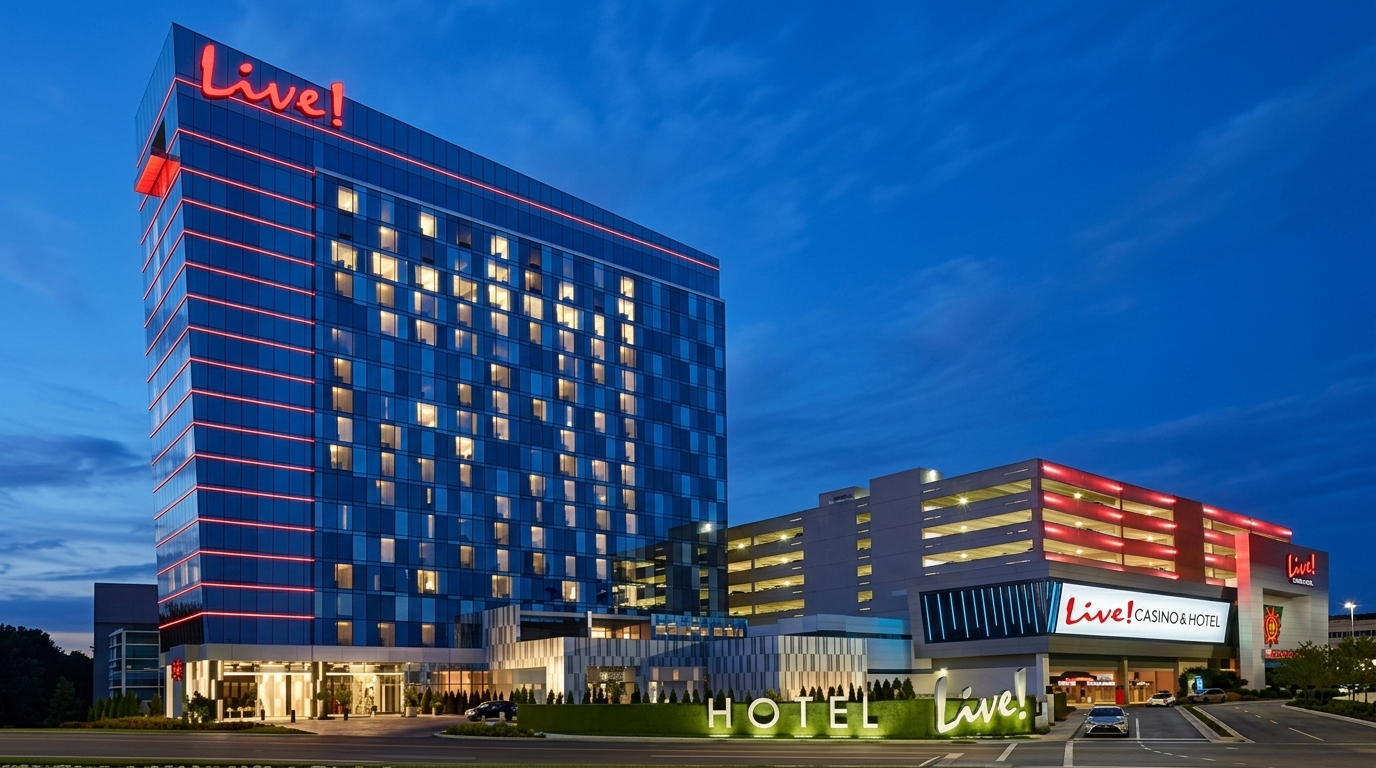
Live Hotel
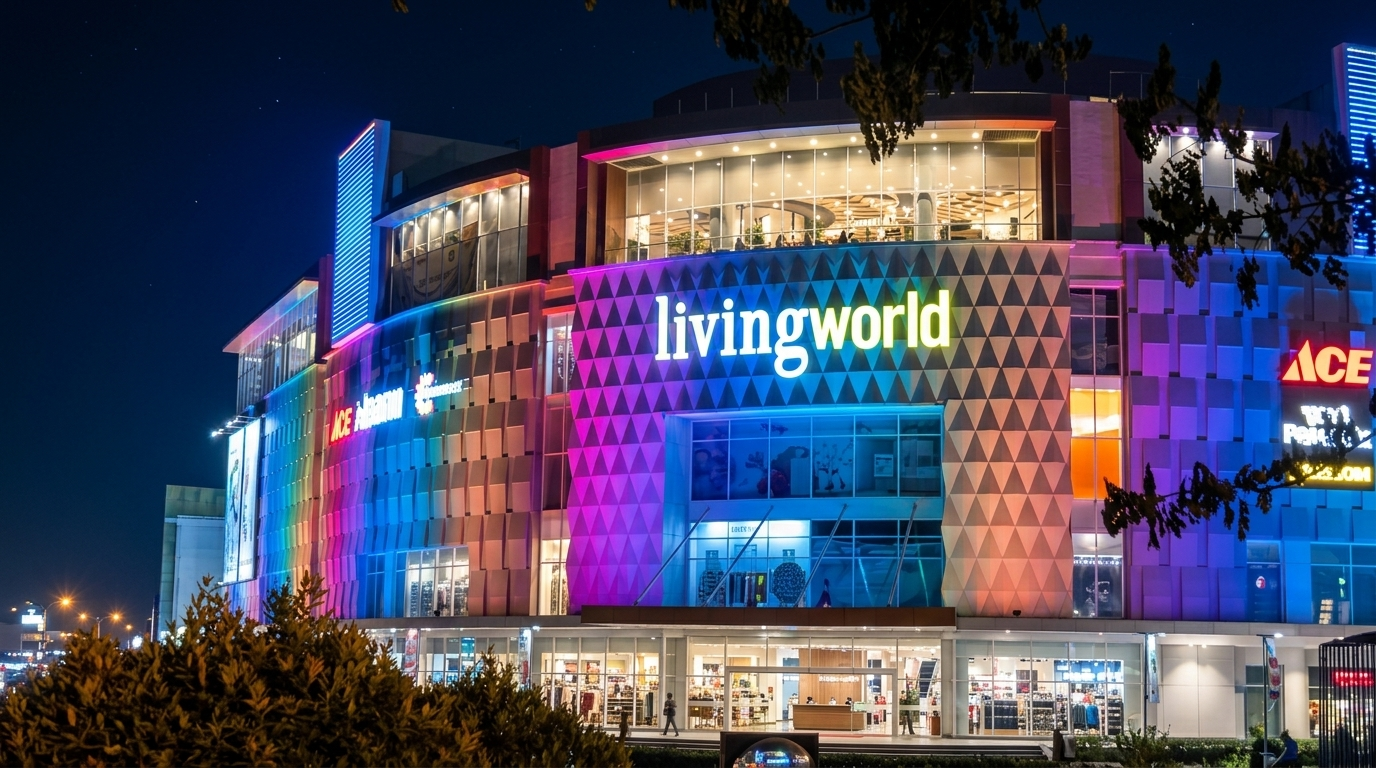
Living World Mall Indonesia
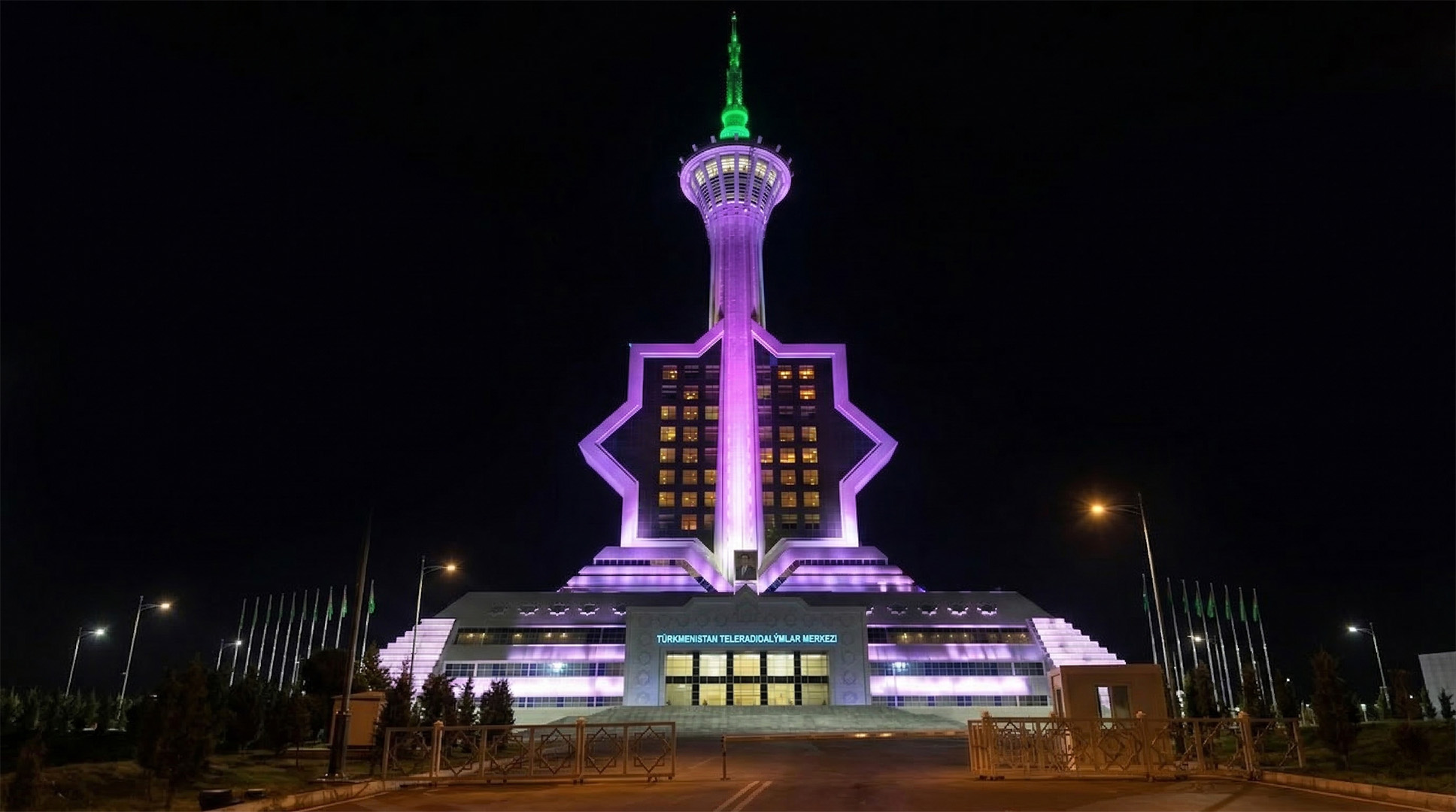
Turkmenistan Engineering
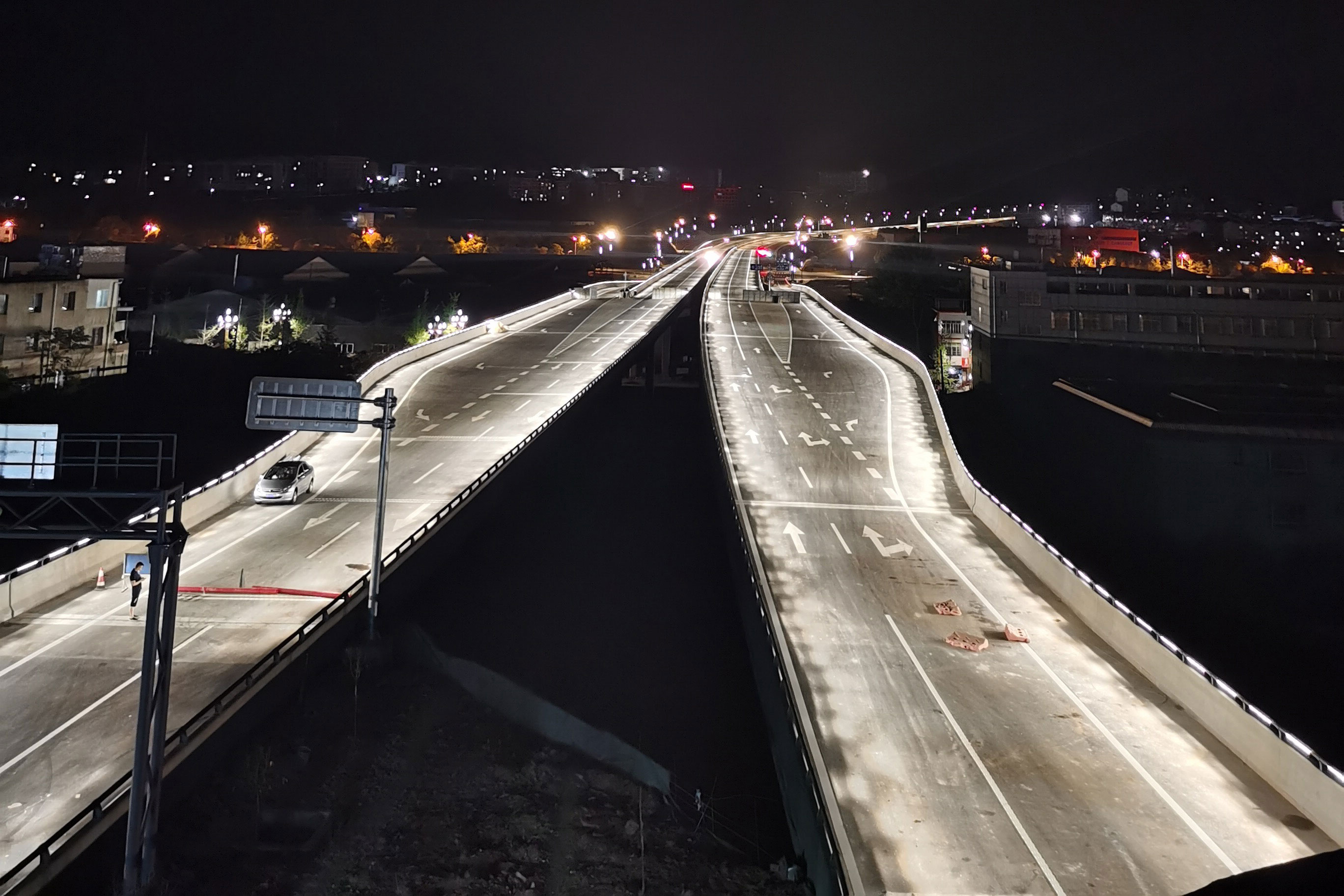
Mianyang city a ring road overpass
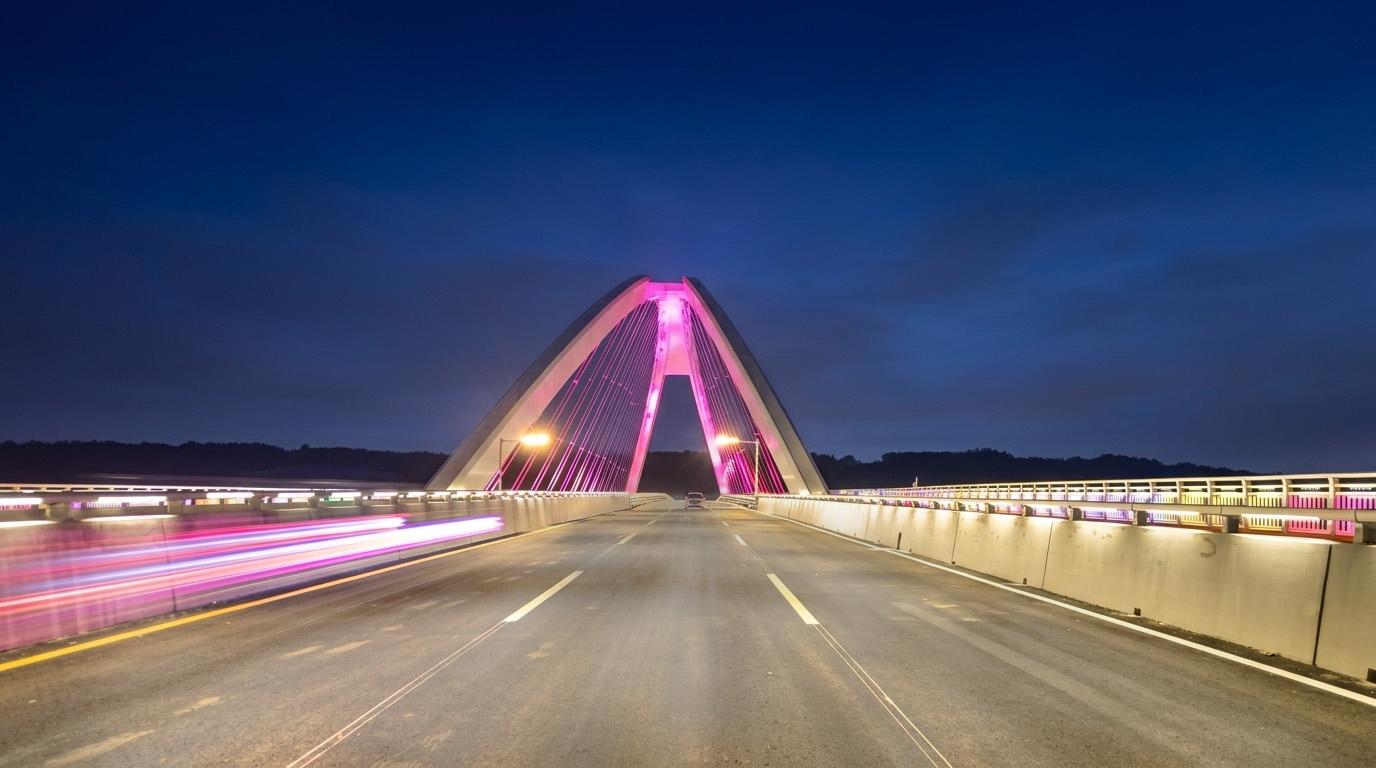
Lighting Project of Fujiang Bridge
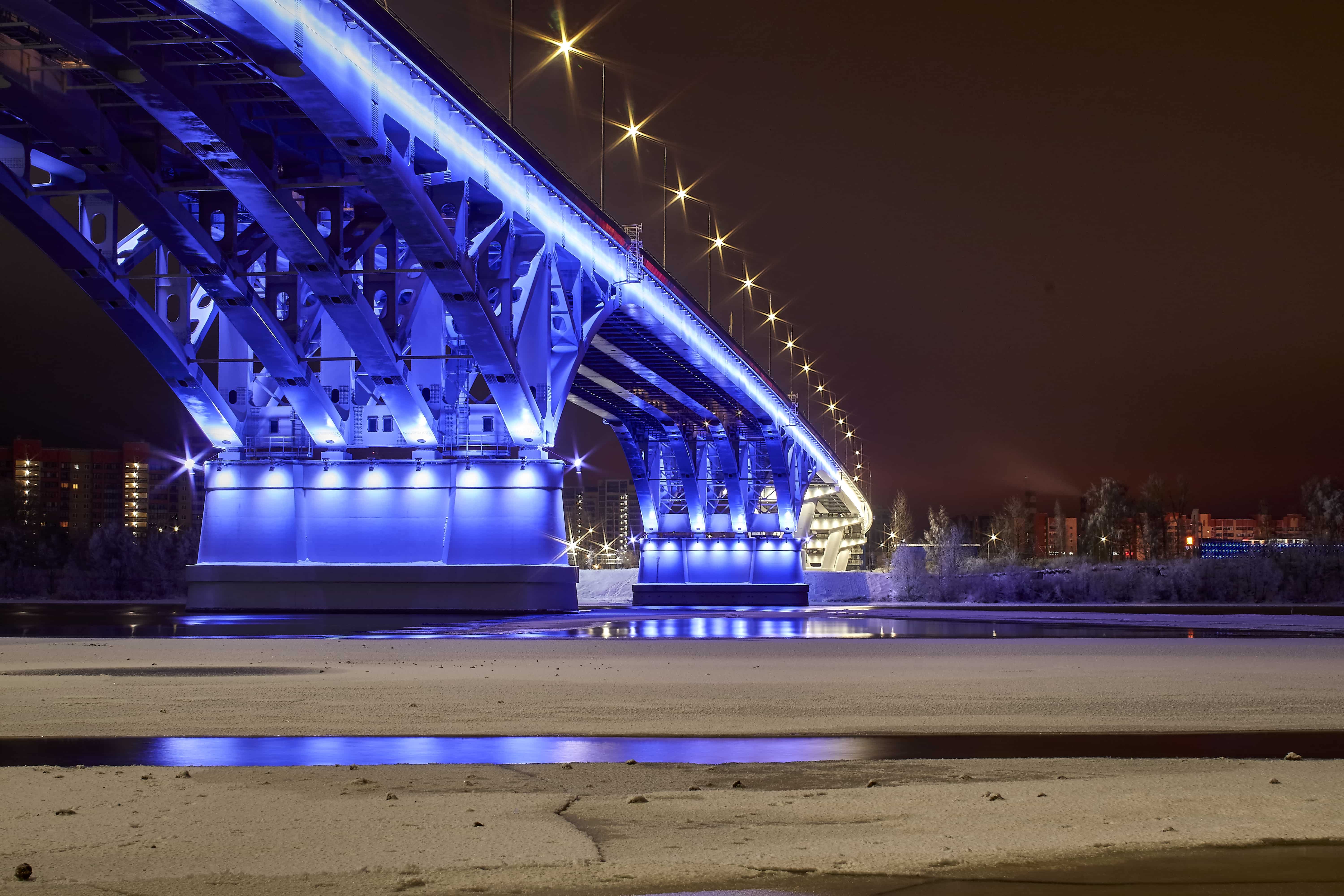
The volga river bridge
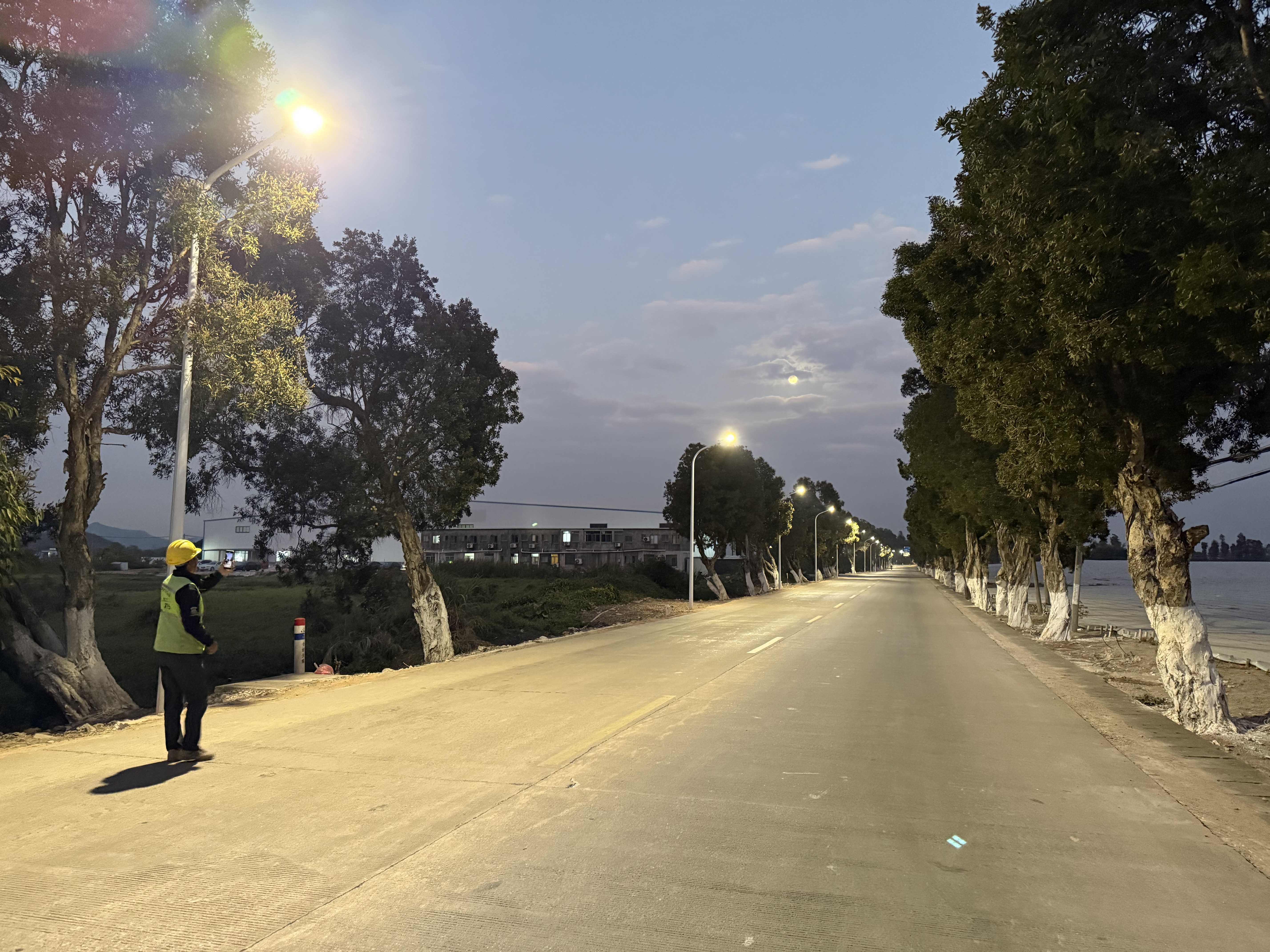
Road Lamp Project of Nanlang Village
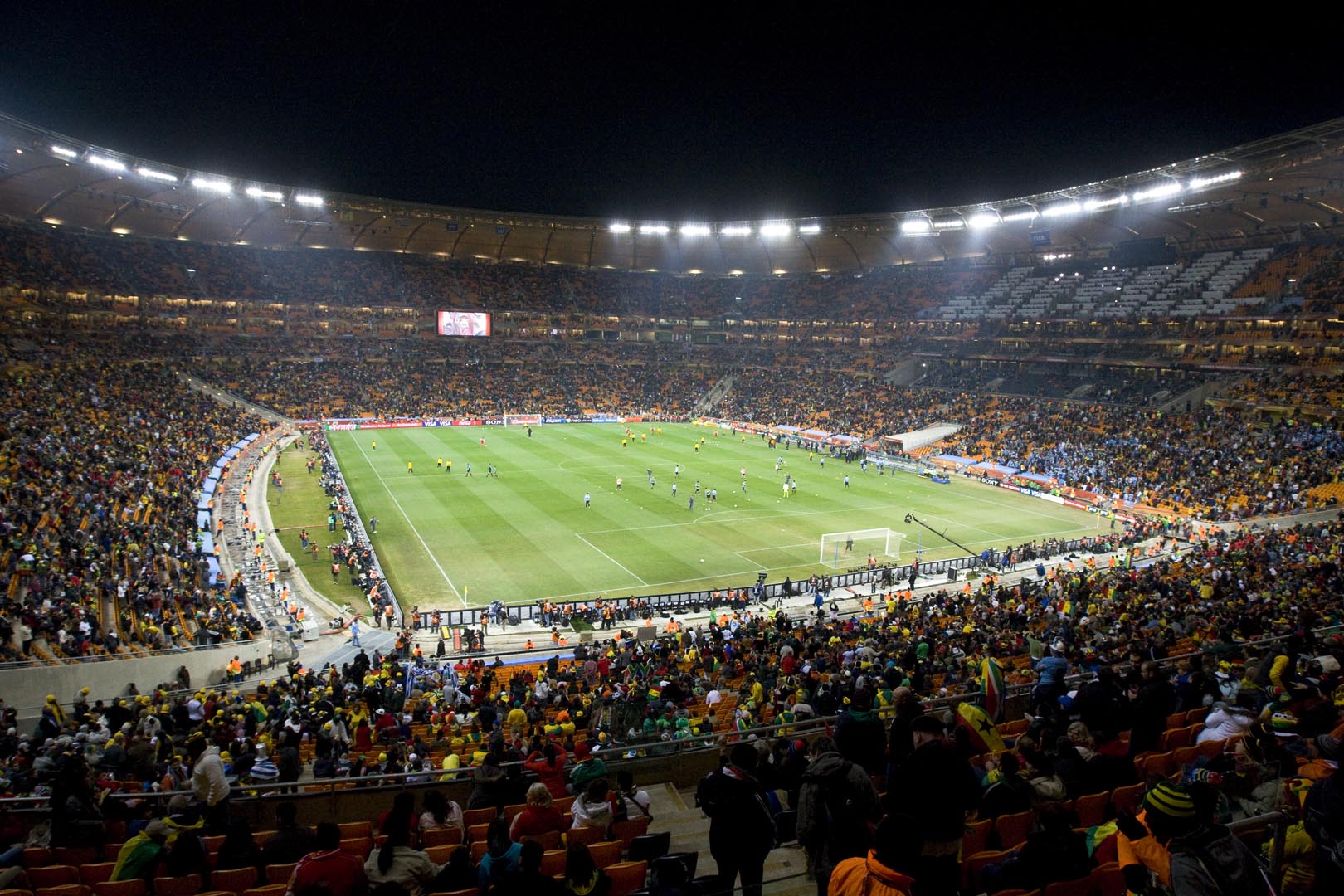
Kleanthis Vikelidis Stadium
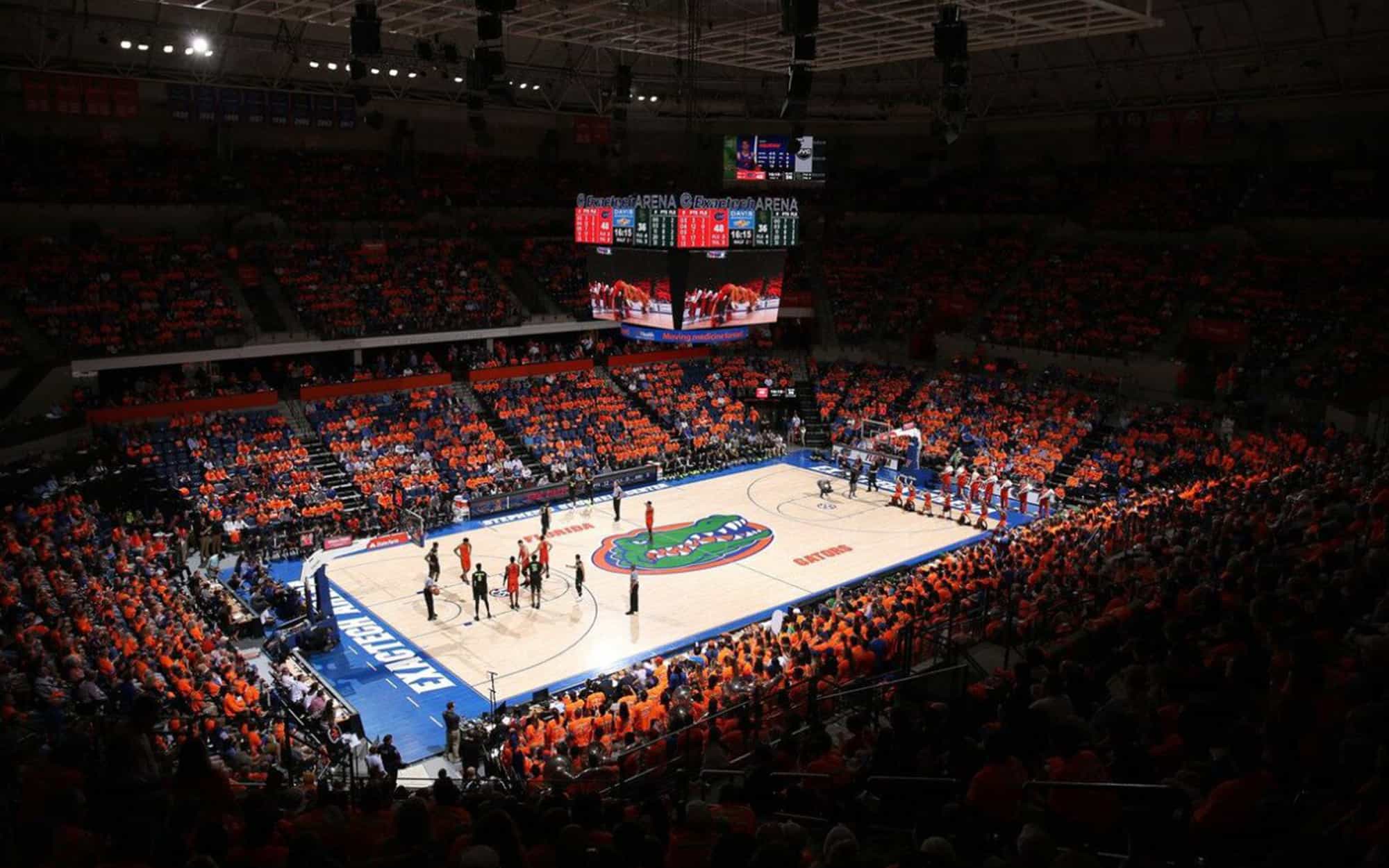
Florida Atlantic University

Shahid Nassiri Stadium
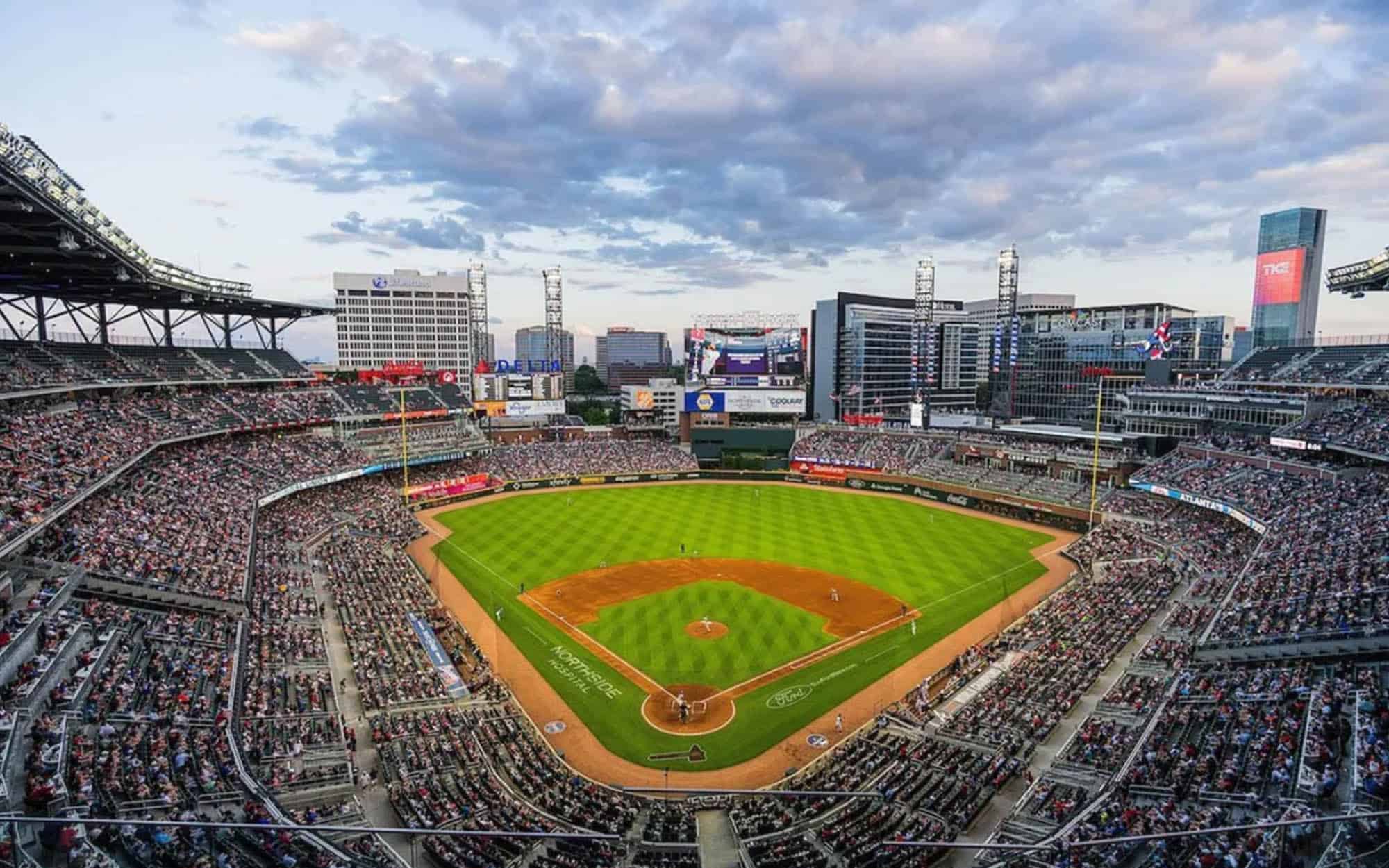
Rangers Ballpark
-

Building Facade
Lighting Solutions
This is not a product catalogue. It is an engineering reference organised by facade type — documenting what actually happens when LED lighting meets curtain walls, glass envelopes, parametric cladding and high-rise exteriors. Every figure cited has a source. Every method described has been used on a real project.
Use this to identify whether your facade type matches a scenario we have handled, understand the constraints you will face, and see how product selection, structural design and control configuration fit together as a system.
Pixel-Integrated Curtain Wall
In this category the luminaire is not mounted on the building — it is part of the building. The facade surface contains the mounting position for each fixture. Each structural node in the cladding geometry becomes one pixel in a DMX-addressed system.
The critical distinction from standard facade lighting: the fixture's external geometry is defined entirely by the architecture, not by what is available in a manufacturer's catalogue. Standard products cannot be used.

No standard fixture exists — the shape is defined by the architecture
The Haitang Building facade uses a six-pointed star pattern derived from the Chinese flowering crabapple (海棠花). Each star is a structural element in the aluminium curtain wall. The lighting brief required a fixture whose external form exactly matches this node geometry. No catalogue product exists at this shape or scale.
Fixture developed from concept sketch to production mould
Starting from the architect's concept drawing, TPK developed the LPM-MJ-HEX130-DMX: a six-pointed star aluminium body with a PC injection-moulded face cover, designed to seat directly into the curtain wall node recess. Plug-in clip installation — no tools required at height. Development ran from concept sketch through sample iterations, weight validation, thermal simulation and aging test before mould lock.
Face cover apertures expose the LED source in daylight
Early samples showed the LED chip visible through apertures at certain viewing angles during the day. The design team required that the LED source remain concealed in all daylight conditions, preserving the cladding's intended appearance.
Aperture geometry reduced through iterative sample review
Large apertures reduced by 1mm, small apertures by 0.5mm across two revision cycles. Each revision submitted for on-site review by the lighting designer. Final sample approved as "within acceptable range" before mould lock. This iteration process must be budgeted into project timelines for this fixture category.
Curtain wall node load limit constrains fixture weight
The structural engineer specified a maximum fixture weight per node bracket. Exceeding this limit would require structural rework of the installed facade — not a viable option on a partially completed building.
Two body variants tested; both confirmed within load limit
Two production variants weighed on calibrated scales during sampling: PC face cover with straight body, 373.6g; metal face cover variant, 404.2g. Both submitted to the structural engineer for load confirmation before production commitment. Weighing photographs and records are retained in the project file.
Thermal management — 4,495 fixtures in a dense array
With 4,495 pixel fixtures across approximately 8,000 m² of facade, thermal load distribution within the curtain wall cavity needed to be validated before production commitment. Overheating at this density affects long-term LED performance.
Finite element thermal simulation before production; peak 63.7°C confirmed acceptable
FEA thermal simulation modelled the fixture at rated power in the installed cavity condition before production. Peak junction temperature: 63.7°C — within operating range for the specified LED components. Simulation report and aging test results were provided to the project team.
| Model | Key specification | Custom points for this project | Problem solved | |
|---|---|---|---|---|
| LPM-MJ-HEX130-DMX | 12W · RGBW · DMX512 · IP65 · 130mm across flats |
Custom Six-pointed star body geometry Custom PC face cover aperture sizing — 2 revision cycles Custom Plug-in clip installation system |
Curtain wall node geometry match; daytime LED concealment; load-compliant weight | View product |
Development path for this facade type
Concept & geometry
Receive architect's cladding drawings and node dimensions. Confirm fixture footprint, depth, fixing method.
Sample iteration
Initial samples for on-site review. Typically 2–3 rounds of face cover and aperture revision before architect sign-off.
Engineering validation
Weight test, thermal simulation, aging test. Submit results to structural engineer before mould lock.
Production & addressing
DMX addresses pre-programmed sequentially at factory before shipment — reduces on-site commissioning time.
Commissioning
Channel mapping, Madrix scene programming, synchronisation with building media systems. Remote support available.
Tianjin Haitang Building
Tencent Haitang Innovation Street, Block G, Tianjin — 11-storey commercial office building with a sea-crabapple-derived six-pointed star aluminium curtain wall. Approximately 8,000 m² of facade. TPK developed the LPM-MJ-HEX130-DMX from concept to production specifically for this project, validated through weight testing, thermal simulation and iterative sample review with the design team.
LPM-MJ-HEX130-DMX Specification Sheet
Dimensions, weight, electrical specifications, IP rating, installation method
Thermal Simulation Report (May 2022)
FEA model, boundary conditions, peak temperature 63.7°C
Aging Test Report
Test conditions, duration, lumen maintenance results
DMX Address Scheme Template
Channel assignment format, repeater placement guidance, Madrix integration notes
Glass Curtain Wall — Slab-Edge Linear
In this category the facade is a glass curtain wall and the lighting strategy is a continuous horizontal line at each floor slab edge. The fixture is embedded in a metal cavity recessed into the spandrel zone between floors. From street level, only the light is visible.
The dominant constraint is not optical — it is dimensional. The cavity depth available for the fixture, its mounting bracket and its wiring termination is typically 25–40mm. Every other specification decision follows from this constraint.
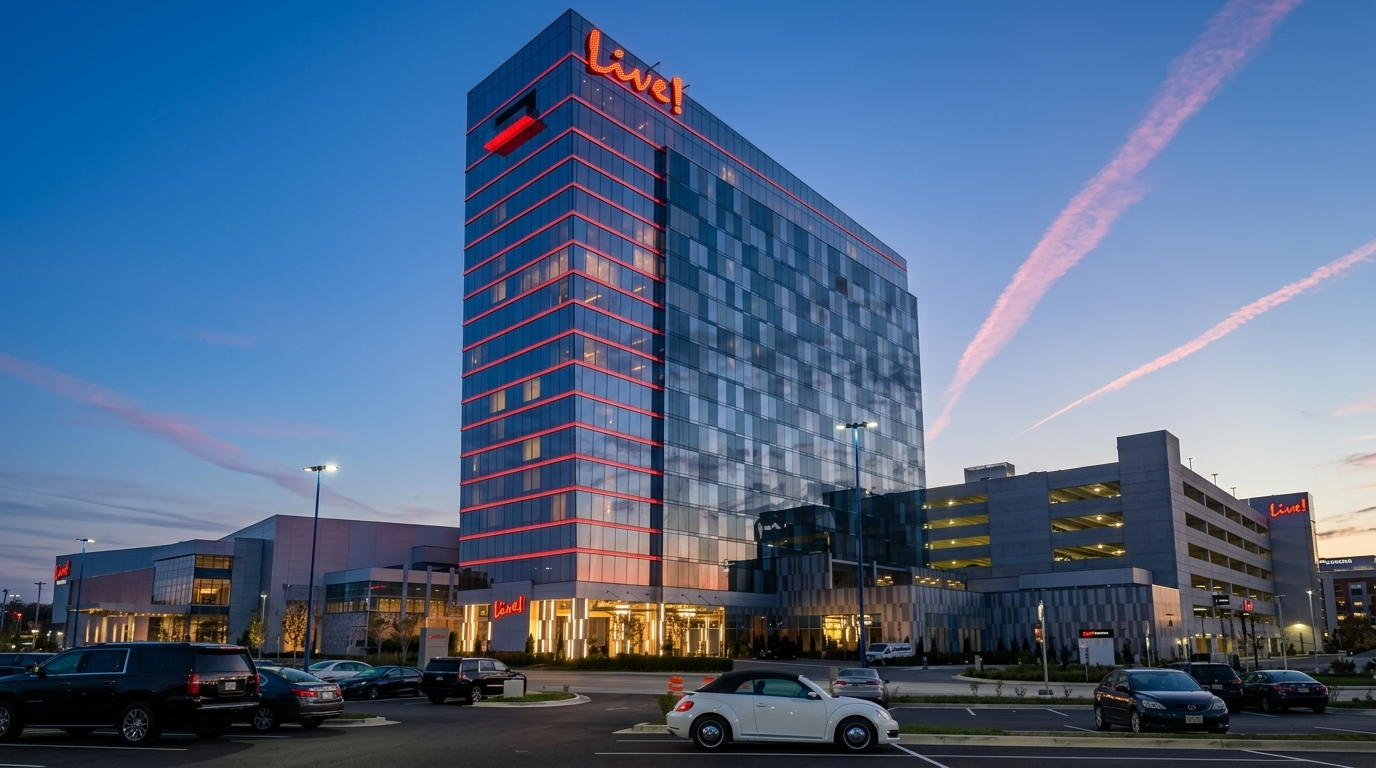
Cavity depth of 1.25 inches — every component must fit within 32mm
The spandrel cavity at Live! Hotel Maryland is 1.25 inches deep (approximately 32mm). This was independently flagged in the architect's submittal review: "Confirm fixture and angle mounting method will fit within 1.25" cavity." The fixture body, mounting clip and cable termination must all clear this limit without structural modification.
LLS-OP-W30C: 30×30mm profile, flat-clip mount within tolerance
The LLS-OP-W30C uses a 30×30mm aluminium extrusion. Installed with the flat aluminium mounting clip (drainage clearance included per mounting drawing), the assembled depth sits within the 1.25" tolerance. Tempered glass cover lens was specified over polycarbonate for this application — PC covers are prone to UV-induced yellowing over multi-year exterior service, which progressively reduces luminous output.
Three different floor-plate widths — one fixture length cannot cover all elevations
The West elevation runs 517.5 inches per floor (approximately 13.1m) across 16 floors. North and South elevations taper from approximately 40 inches at upper floors to 35 inches near ground, with one floor further reduced by a balcony setback to 221 inches. No single fixture length produces a clean gap-free line across all three elevations.
Three lengths, one system: L12 / L6 / L3
LLS-OP-W30C-L12 (1,219mm) covers the long West runs. L6 (610mm) handles shorter North/South segments and transitions. L3 (305mm) fills corners and minimum-width positions. All three share the same 30×30mm extrusion, connector system and 24V DC input — they connect in-line as one addressable DMX run. Total: 692 × L12, 105 × L6, 63 × L3.
Fixed cable penetration points — 10 fixtures per row, no new holes permitted
Power and DMX cables pass through the curtain wall at fixed penetration points established during original construction. Adding new penetrations requires coordinating with the window wall installer, waterproofing specialist and electrical contractor. Each penetration must serve one full row of 10 fixtures.
LLS-OP-W30C at upgraded specification has a higher power draw than the original product. At 24V DC, standard distribution supports a maximum of five L12 fixtures before voltage drop becomes an issue. Ten fixtures on a single feed would exceed this limit.
T-type power distribution: one feed, two legs of five
A T-type power cable branches the incoming feed at the penetration point into two outgoing legs of five fixtures each. Each leg stays within the voltage drop limit for 24V DC distribution. This approach eliminates additional wall penetrations and was confirmed by the project integrator (Gable Company, Baltimore) during technical review. No modification to the curtain wall penetration schedule was required.
ETL listing required — CE alone is not accepted for US commercial installation
CE marking is the conformity mark for European markets. Under the US National Electrical Code, permanent commercial exterior installations must carry NRTL listing: ETL (Intertek) or UL. This is a code requirement. A CE-only fixture cannot legally be installed in a permanent US commercial exterior position regardless of other specifications.
LLS-OP-W30C with ETL listing — confirmed before production
LLS-OP-W30C carries ETL listing, satisfying the NRTL requirement. ETL was confirmed as a non-negotiable condition early in procurement: "For devices to be used in the USA they must be ETL or UL or similar" (project correspondence, August 2023). CE-only products were not evaluated regardless of specification fit.
860 fixtures across 16 floors — DMX addressing cannot be corrected after installation
With 860 fixtures embedded in a completed curtain wall at height, incorrect DMX addressing cannot be corrected without access equipment and building management coordination. Address errors discovered after installation are significantly more expensive to fix than errors caught at factory.
Sequential DMX addressing pre-programmed at factory before shipment
All 860 fixtures were programmed with sequential DMX addresses at the TPK factory before shipment (Continuous mode: Bar 1 = channels 1–12, Bar 2 = 13–24, and so on). Programming was confirmed before the production batch was released. This eliminates on-site address programming at height. The address coder was supplied with the shipment for field verification.
| Model | Key specification | Notes for this application | |
|---|---|---|---|
| LLS-OP-W30C-L12 | 1,219mm · 15W · RGB · 24V DC · DMX512 · IP66 · ETL | Main run fixture. 5 units maximum per power leg at 24V DC before voltage drop. | View product |
| LLS-OP-W30C-L6 | 610mm · 8W · RGB · 24V DC · DMX512 · IP66 · ETL | Shorter segments and transitions. Same connector as L12 — in-line compatible. | View product |
| LLS-OP-W30C-L3 | 305mm · 4W · RGB · 24V DC · DMX512 · IP66 · ETL | Corner fills and minimum-width floor positions. | View product |

Live! Casino & Hotel Maryland
Anne Arundel County, Maryland — one of the Mid-Atlantic's largest entertainment and hospitality complexes. 16-floor glass curtain wall with slab-edge linear lighting on three elevations. Installed and integrated by Gable Company (Baltimore, MD). TPK supplied 860 ETL-listed LLS-OP-W30C linear fixtures across three custom lengths. Installation constraints: 1.25-inch cavity, fixed penetration points, US NEC compliance.
LLS-OP-W30C Series Specification Sheet
All three lengths (L12 / L6 / L3) — dimensions, electrical, optical, IP rating, ETL certificate reference
24V DC Voltage Drop Calculation Worksheet
Cable sizing guide for 24V linear runs; T-type distribution wiring diagram
DMX Sequential Address Programming Guide
Continuous-mode address assignment; factory pre-programming procedure; field verification steps
Further facade types being documented
Each will follow the same structure: real project data, specific engineering constraints, verified product specifications and available reference files.
Metal Panel Curtain Wall
High-reflectivity aluminium and steel facades — glare management, anti-reflection optics, clip-bracket fixing without penetration.
Stone and Concrete Facade
Wall-wash on masonry and textured surfaces — grazing optics, fixture concealment, bracket anchoring.
Facade Renovation
Retrofit on occupied buildings — replacement specification matching, wiring reuse, installation access constraints.
Commercial Landmark Facade
Multi-product systems for landmark buildings — wall washers, linear lights and accents as a coordinated system.
Discuss your facade project
Tell us the facade type, location, any constraints you have identified — cavity depth, certification requirement, control system — and the intended effect. We will advise on product direction, flag constraints we have seen in similar projects, and provide relevant technical files.

Profitable Operations (Profit with Purpose)
Knowledge-Driven Team (Keep Improving)
